
GILE Guangzhou
Smarter lighting than ever before
Lighting—without which our daily lives would be impossible—seems as natural to us today as the air we breathe. Yet, the era of Thomas Edison and the invention of his magical lightbulb, which changed the world in 1879, feels like a long time ago. An extraordinary technological revolution has transformed its use, opening up seemingly limitless possibilities. While the drive to push boundaries is inherent to human nature, the speed at which this field has evolved is dizzying.
Table of Contents
Toggle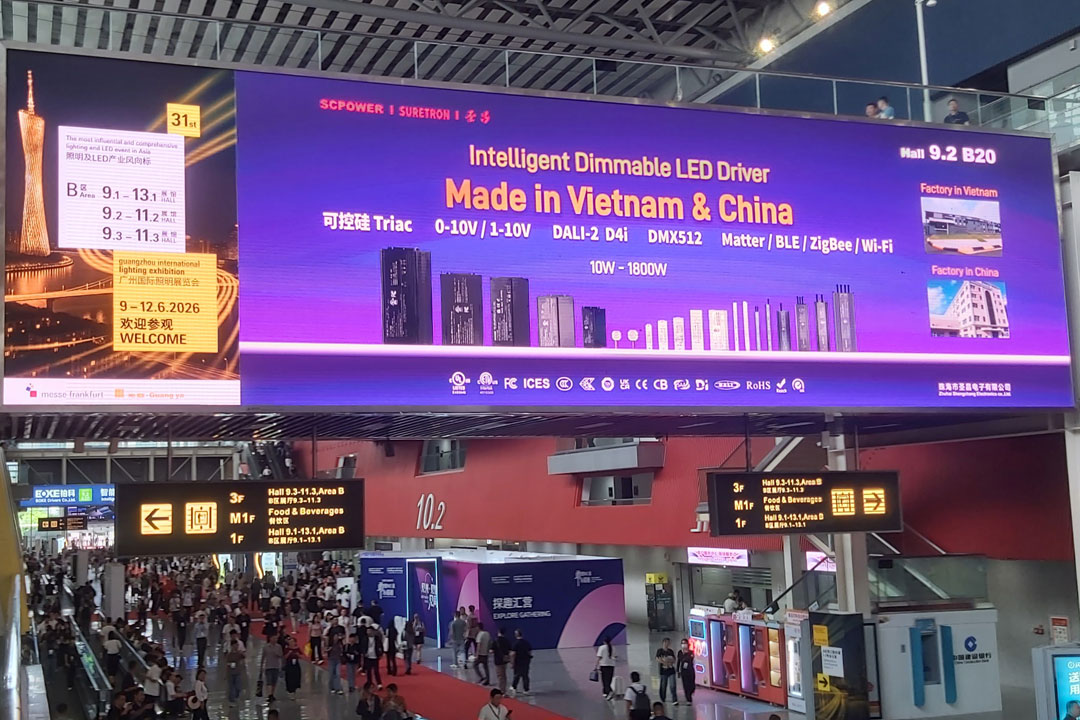
Yet there are logical explanations for this phenomenon, starting with user comfort. Over the years and decades, lighting has evolved significantly to offer consumers worldwide a sense of well-being and convenience—benefits enjoyed by everyone, often without them fully realizing the progress that made it all possible. Taking these improvements for granted seemed like the natural order of things. Then, three events arrived to completely change the game. The first is technology. The pace of change accelerated sharply at the dawn of the 21st century with the advent of LED technology, which revolutionized the market in terms of both performance and innovation. Consumers benefited immensely as bulb lifespans increased dramatically, transforming the way we perceive such an everyday product. Once this giant leap was taken, the sector was swept up in a relentless wave of research and development—a momentum that has only intensified with the arrival of the Internet of Things and, above all, artificial intelligence. AI is currently disrupting industries across the board, as well as reshaping our approach to work, health, and daily life. Naturally, the lighting sector was not immune to this tsunami. Unsurprisingly, this massive market has also been shaped by the rise of globalization, leading to fierce international competition—a arena into which China has entered with tremendous impact. Capitalizing on this boom, thousands of companies sprang up to serve both the colossal domestic market and the equally massive export market—a key driver of the country’s economic expansion. That covers the second—and by no means least significant—aspect: the Middle Kingdom’s ascent to the top. Finally, the third element of this triad is the environment. It has become a critical issue, driven by concerns over global warming and planetary protection. Governments across every continent have addressed the problem by implementing increasingly stringent regulations—a trend showing no signs of slowing, given how vital this issue has become to the purchasing intentions and daily consumer habits of the vast majority of citizens. Naturally, manufacturers and industrial players in the sector had no choice but to adapt to this new reality or risk going out of business. In this context, it came as no surprise that Chinese companies found themselves under intense scrutiny. However, that reputation was quickly turned around through massive investment in research and development; today, these companies rank among the most environmentally responsible in the world. It is now impossible for a domestic company—and even more so for an exporter—to offer products that fail to meet environmental standards, which are becoming increasingly draconian and require a constant, unwavering commitment to compliance.
GILE 2026
Gallery
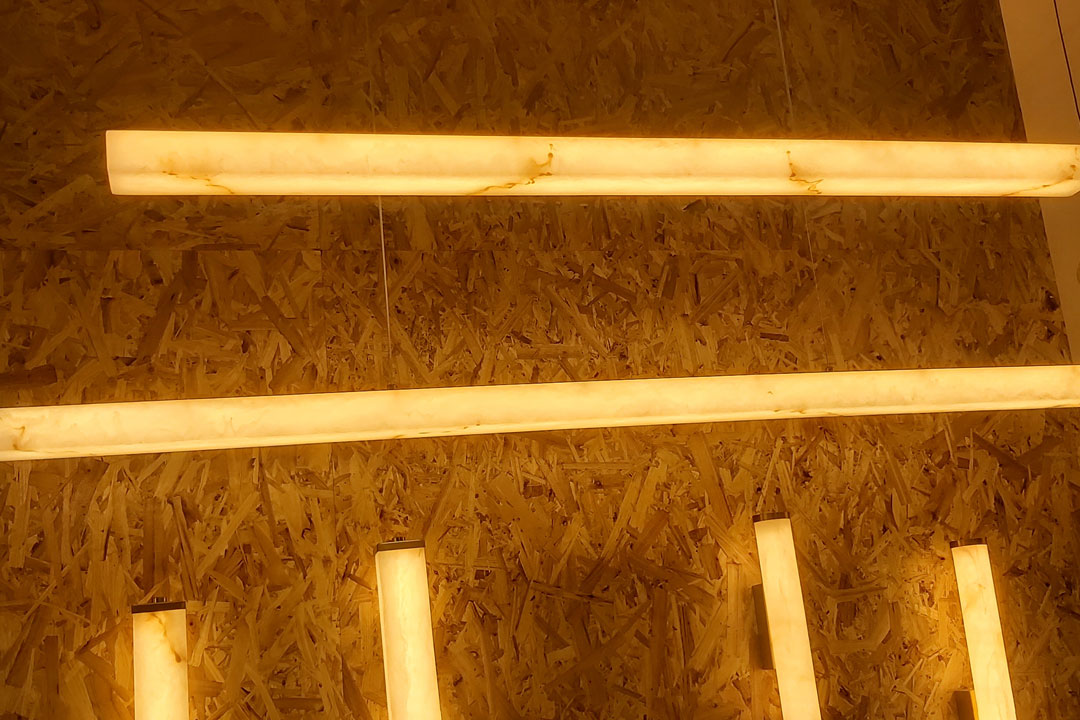
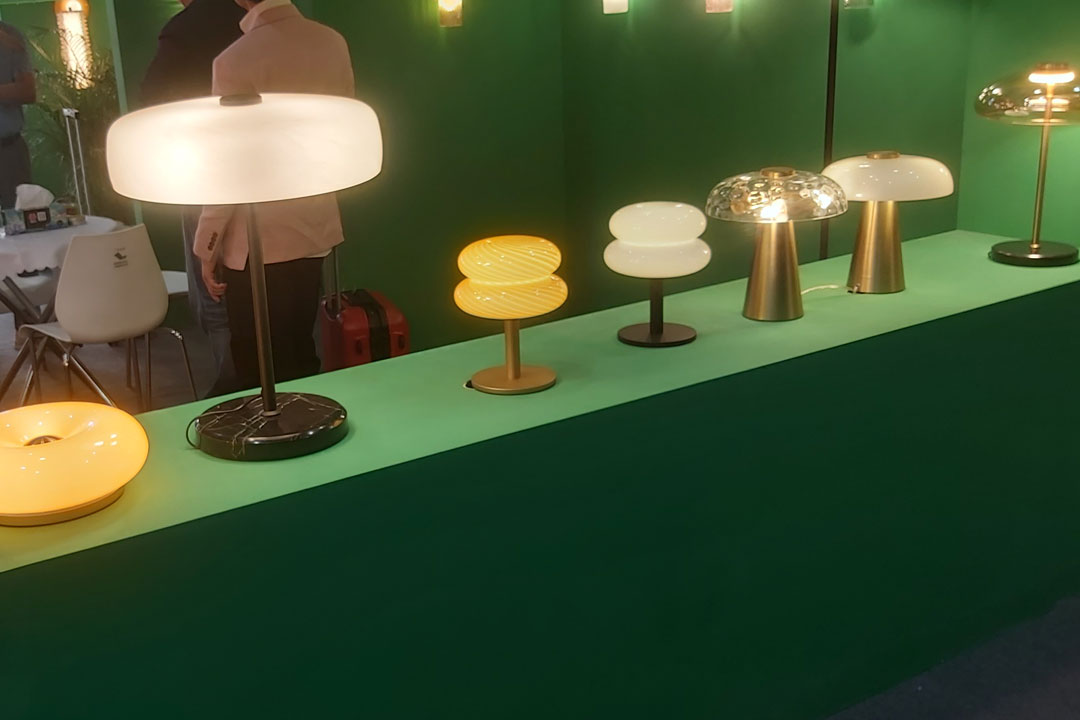
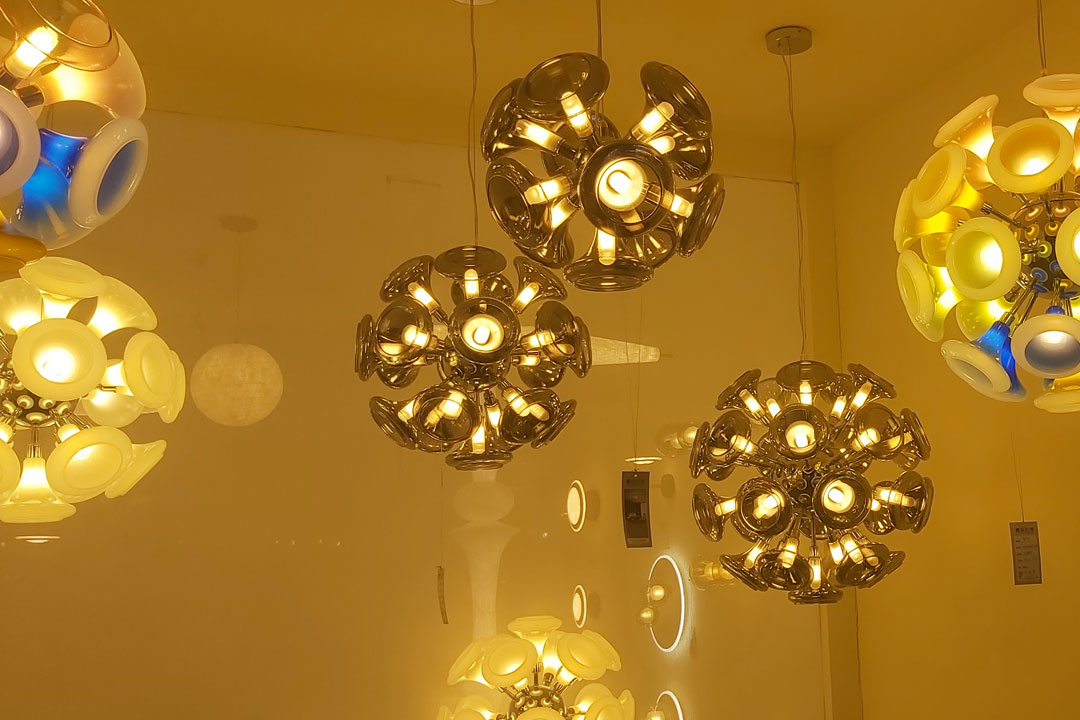
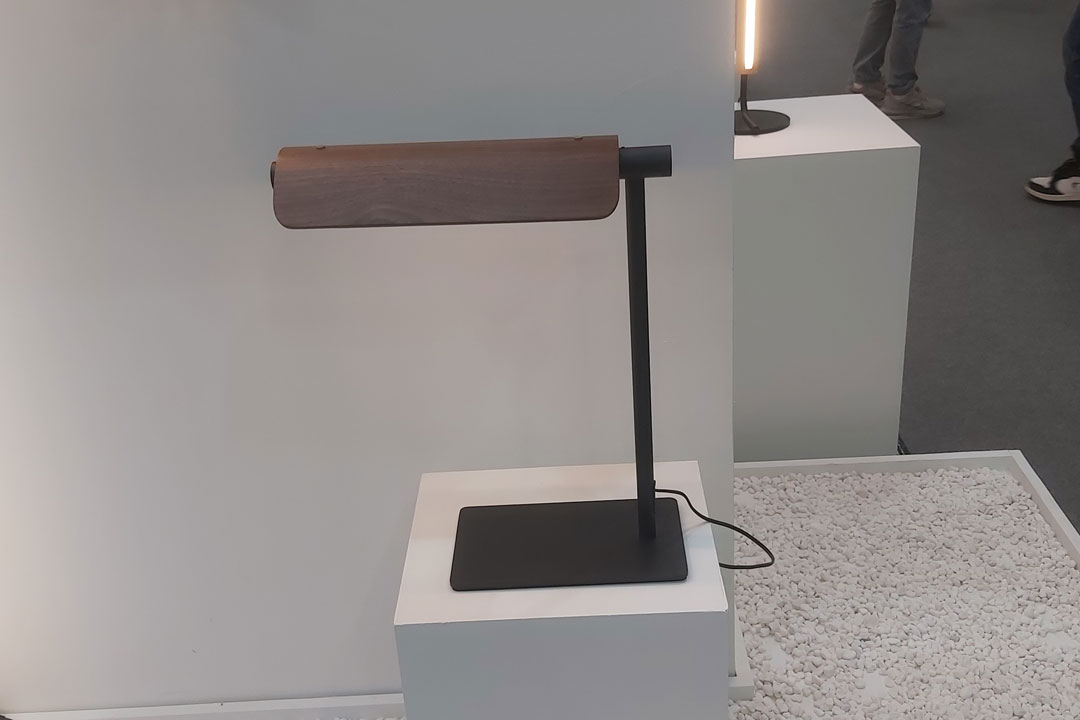
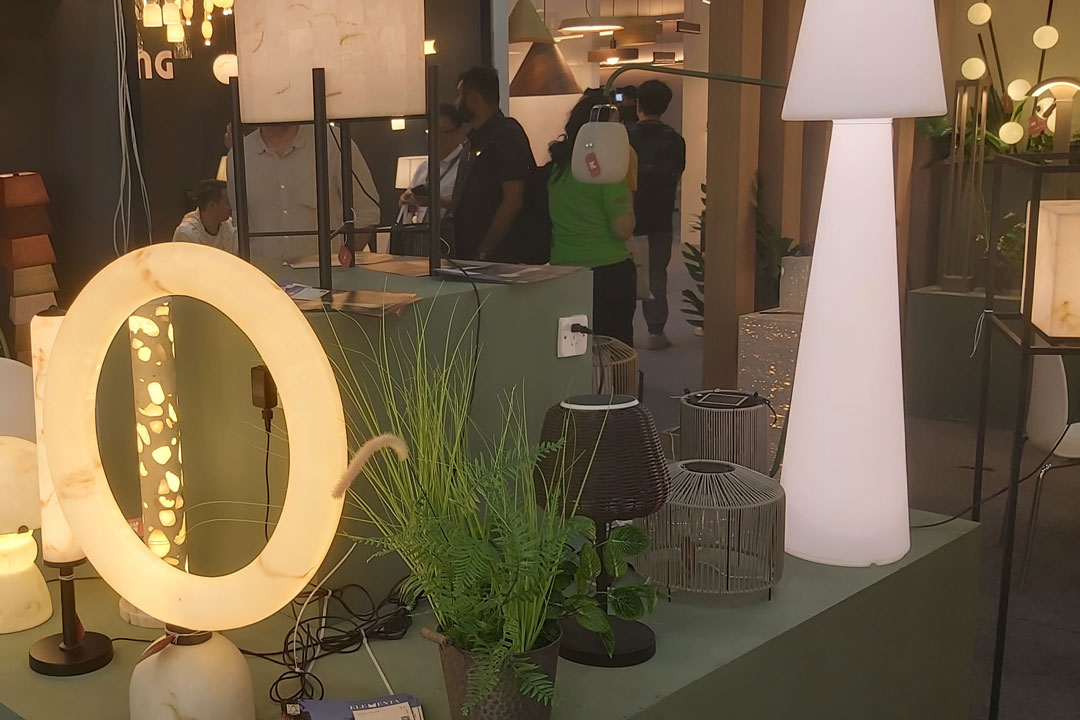
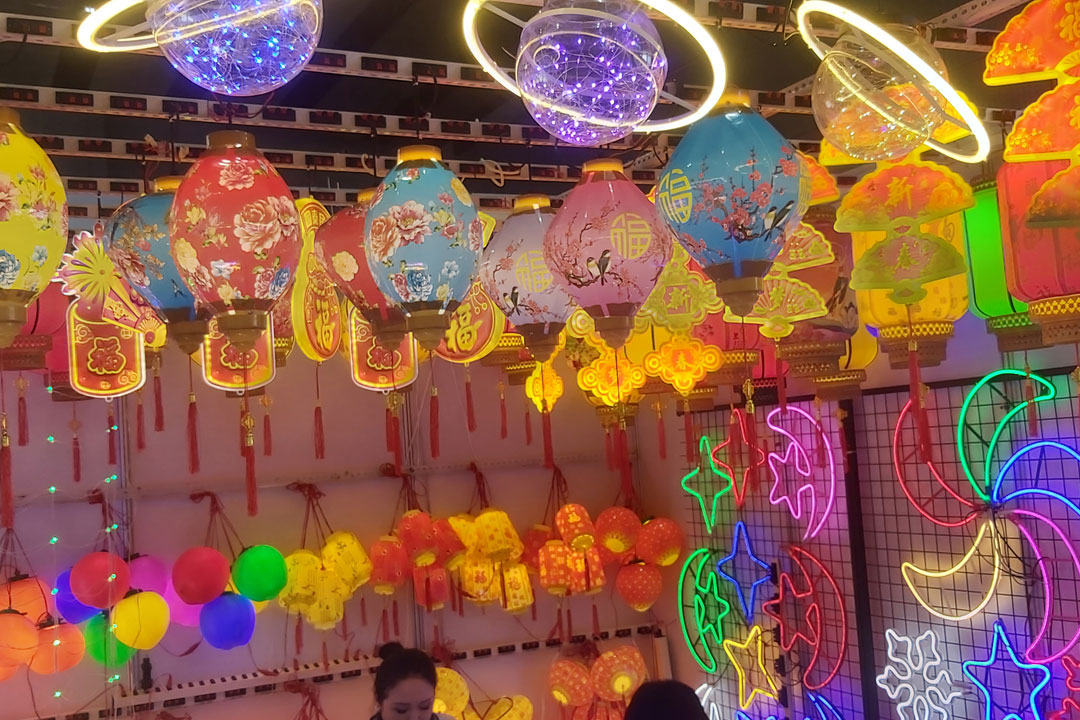
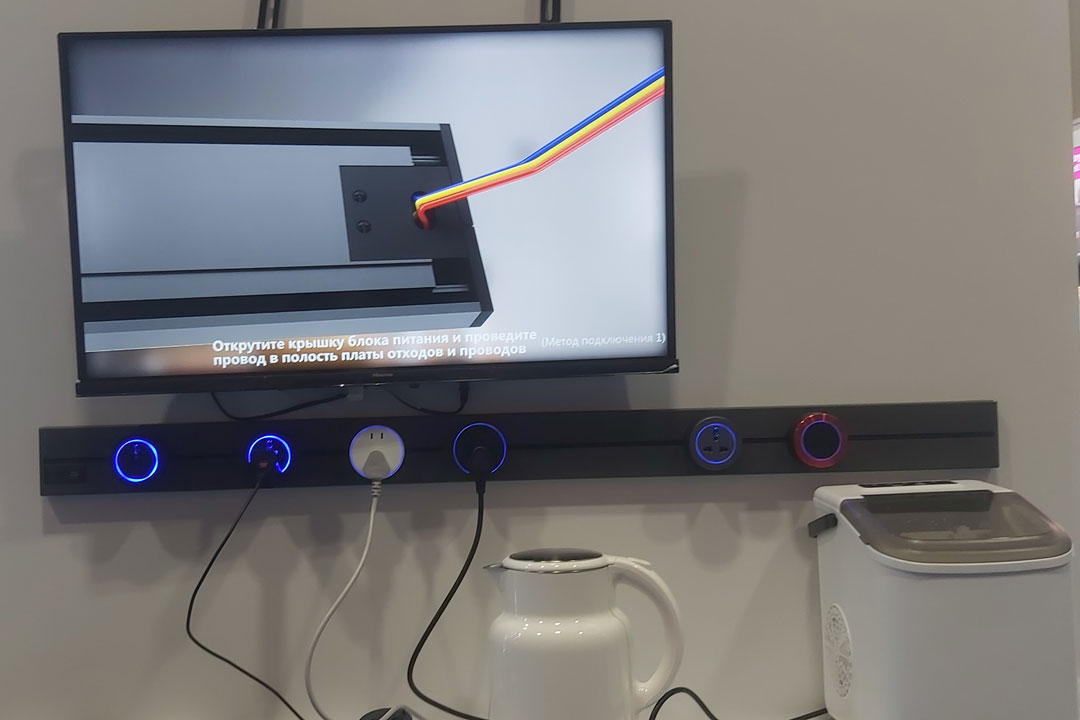
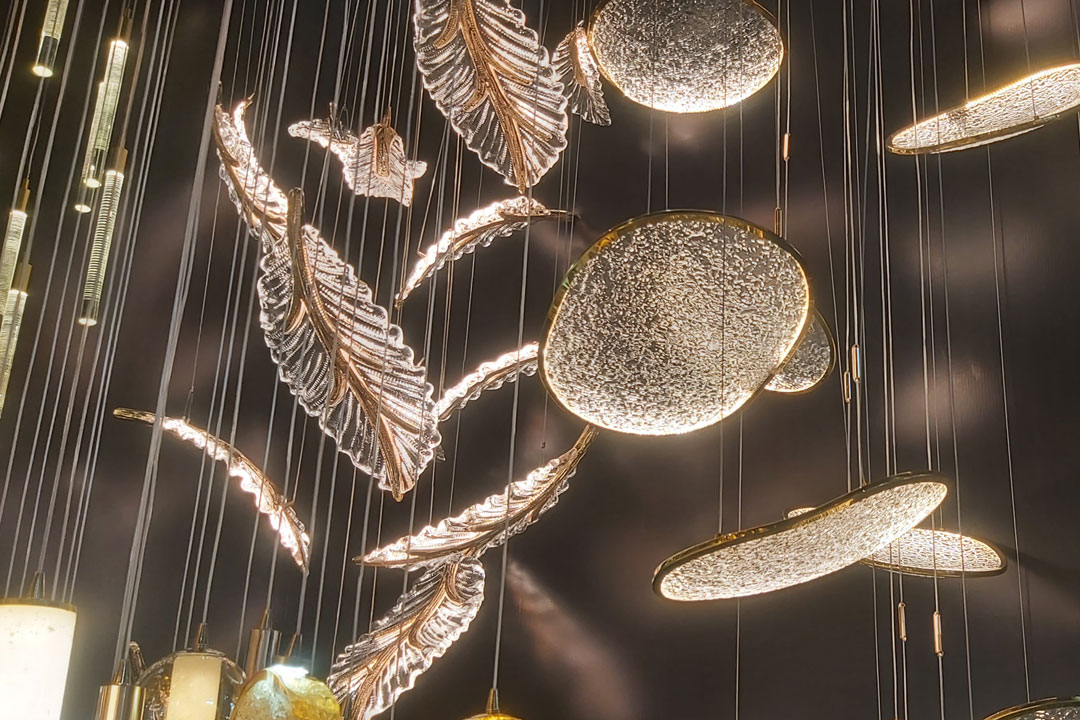
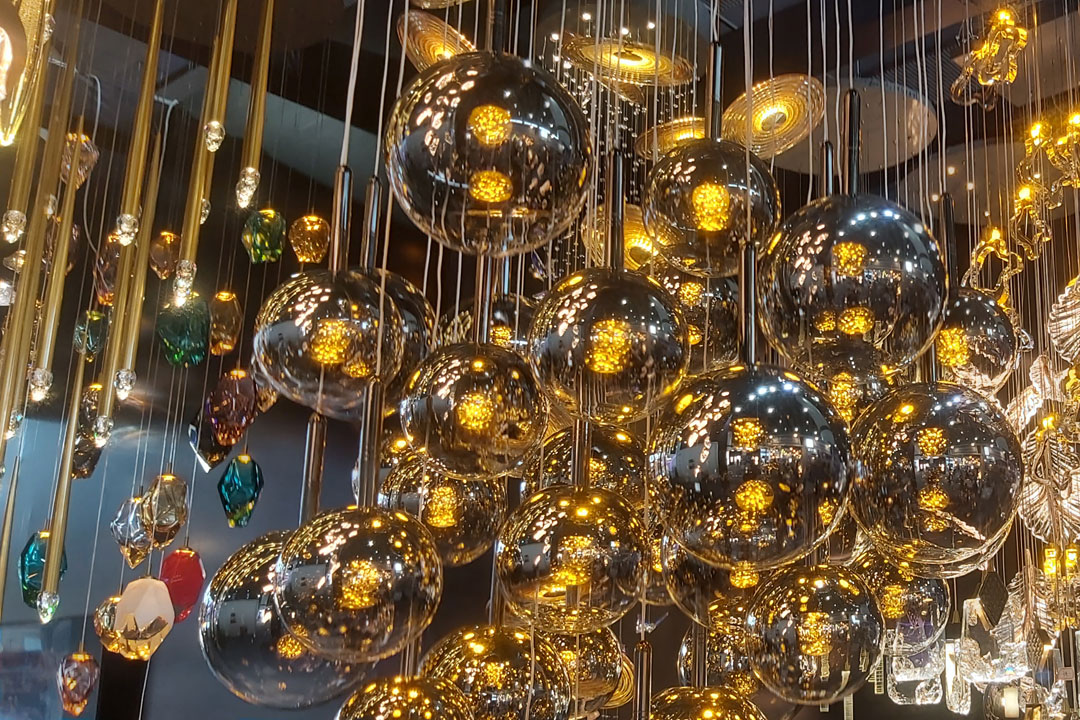
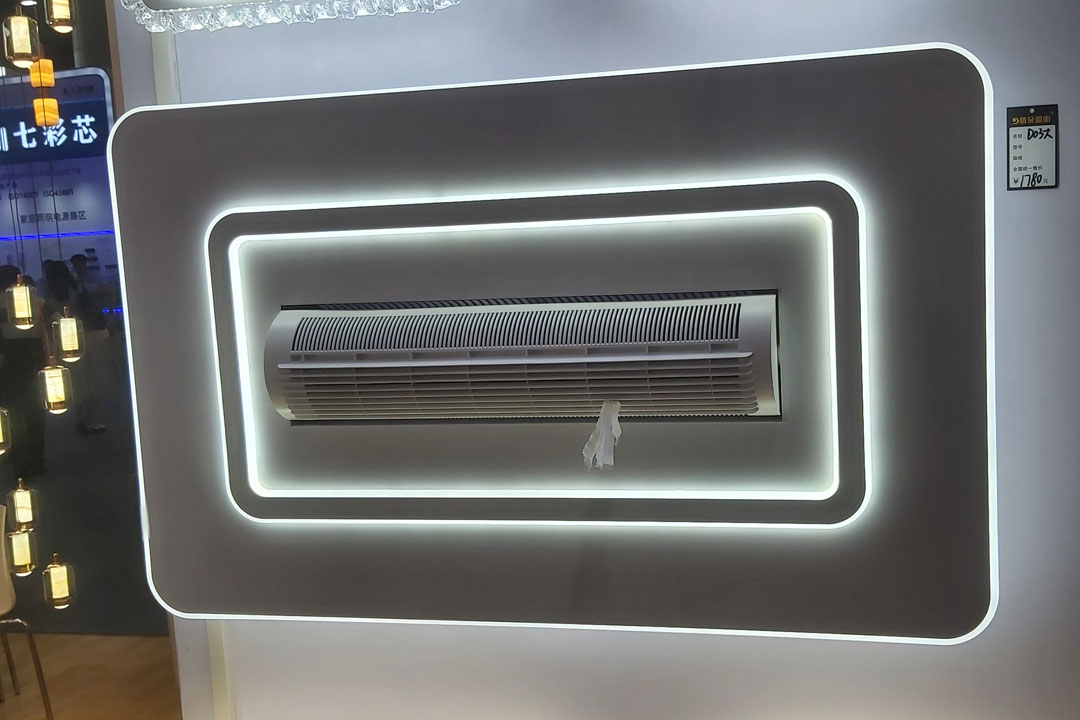
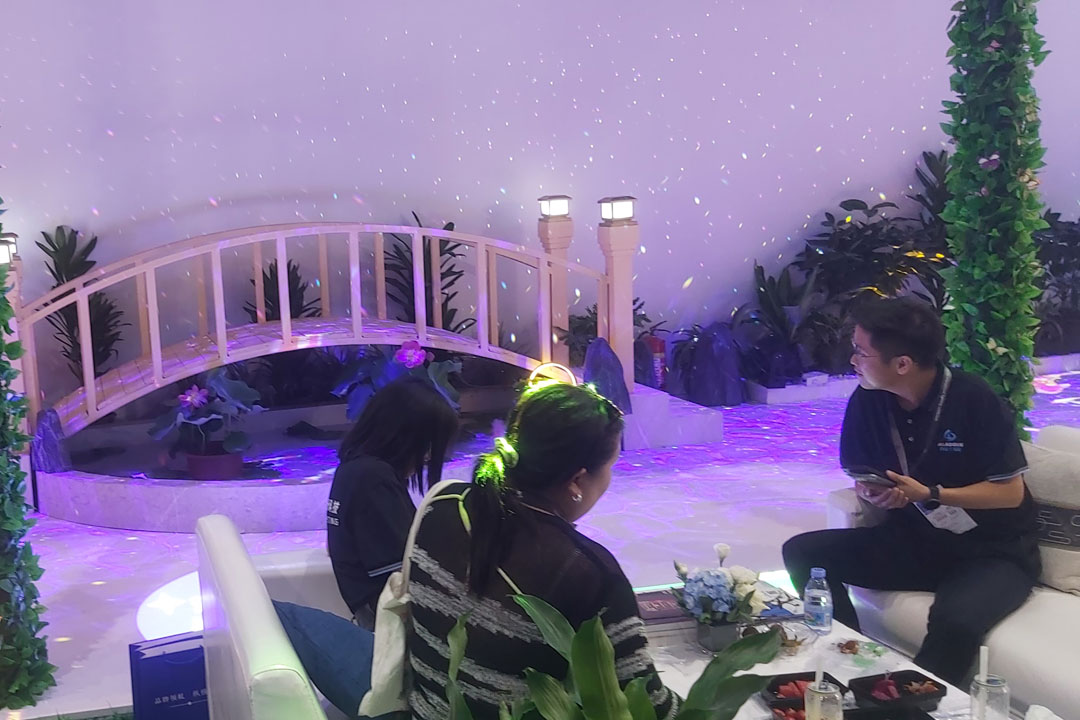
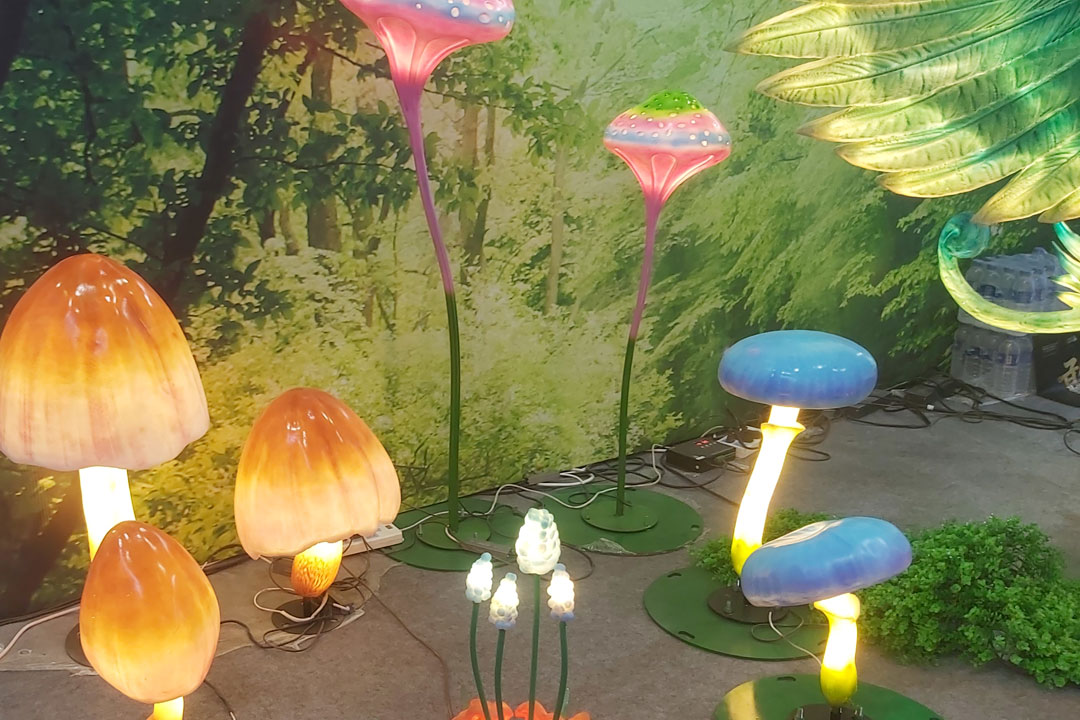
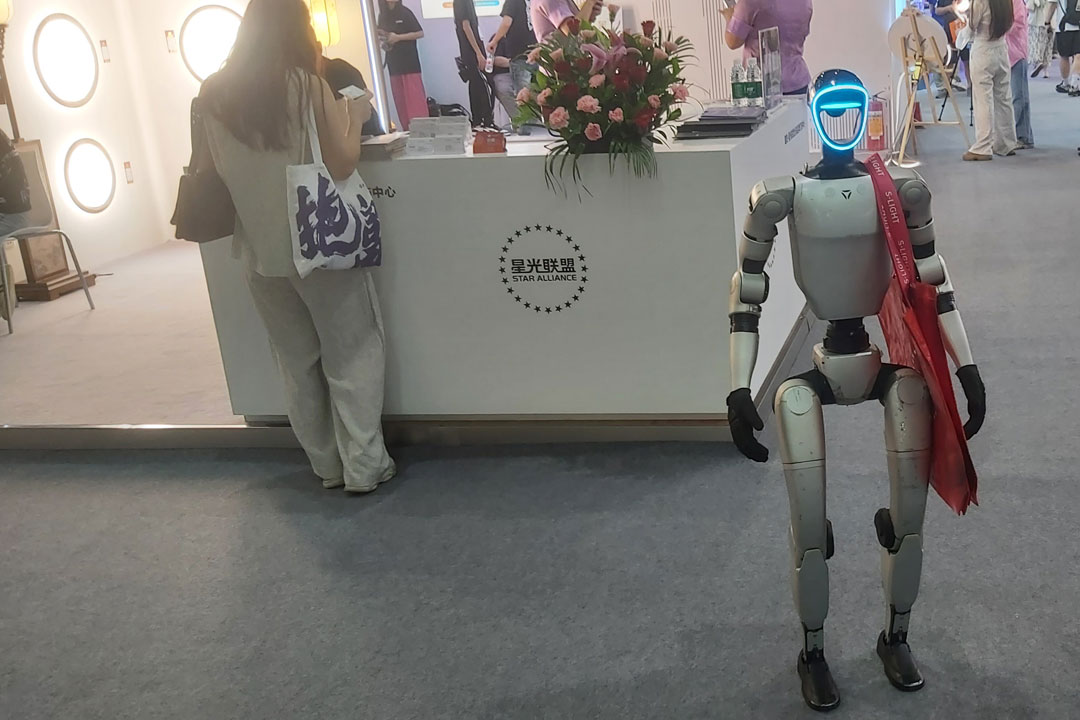
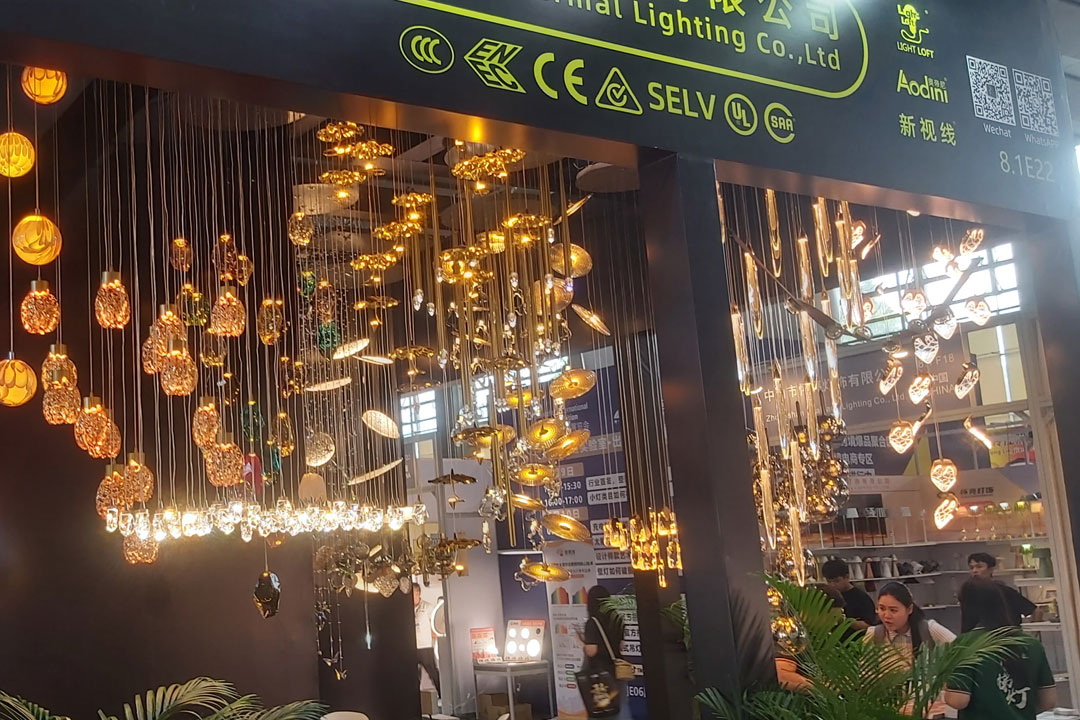
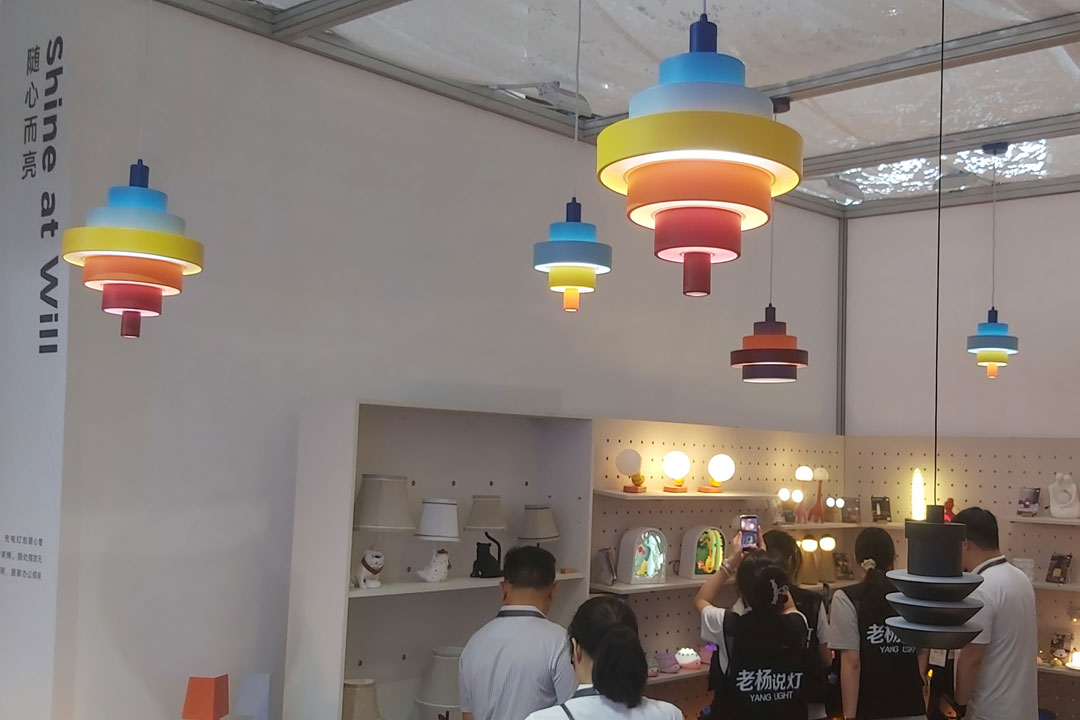
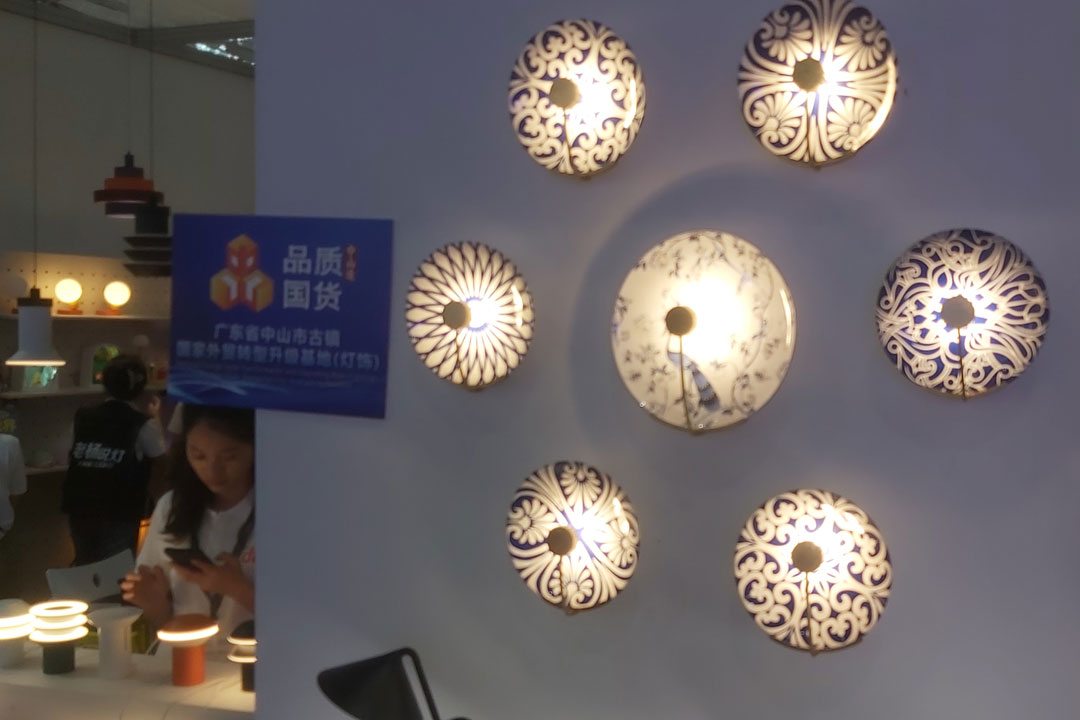
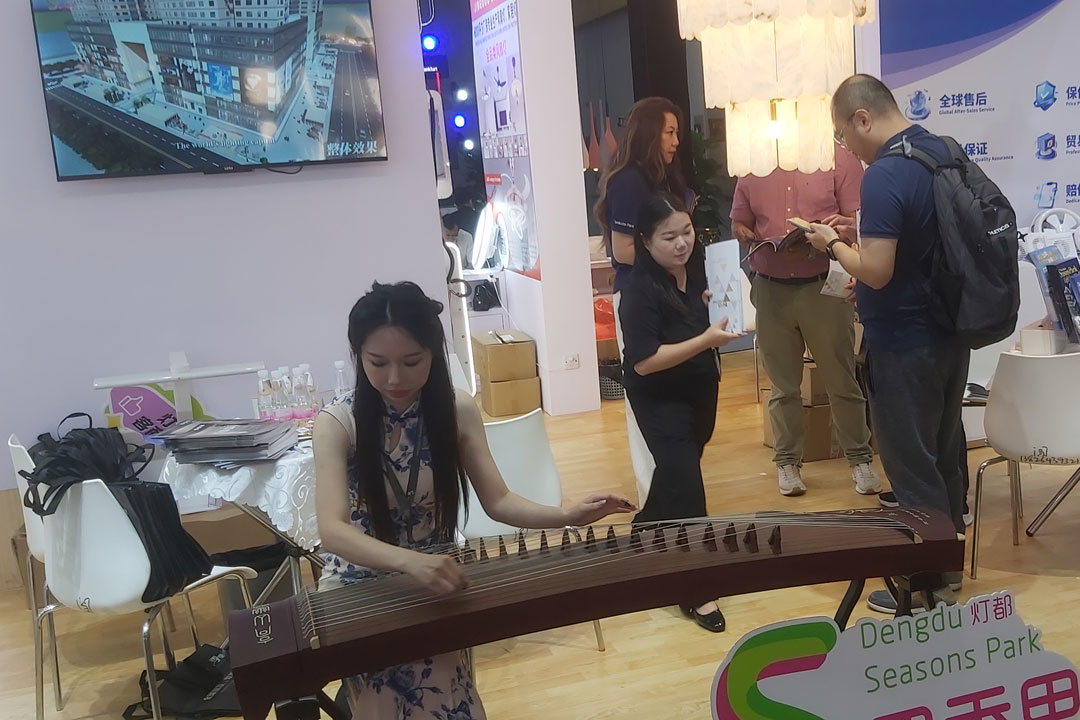
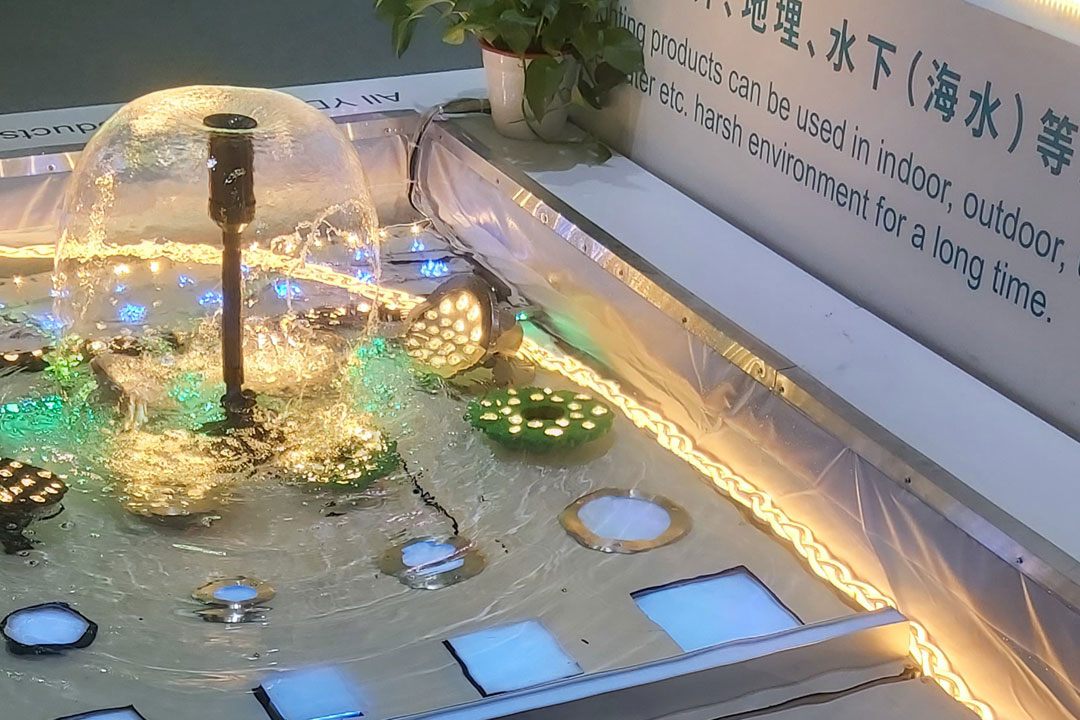
That’s called a smash hit.
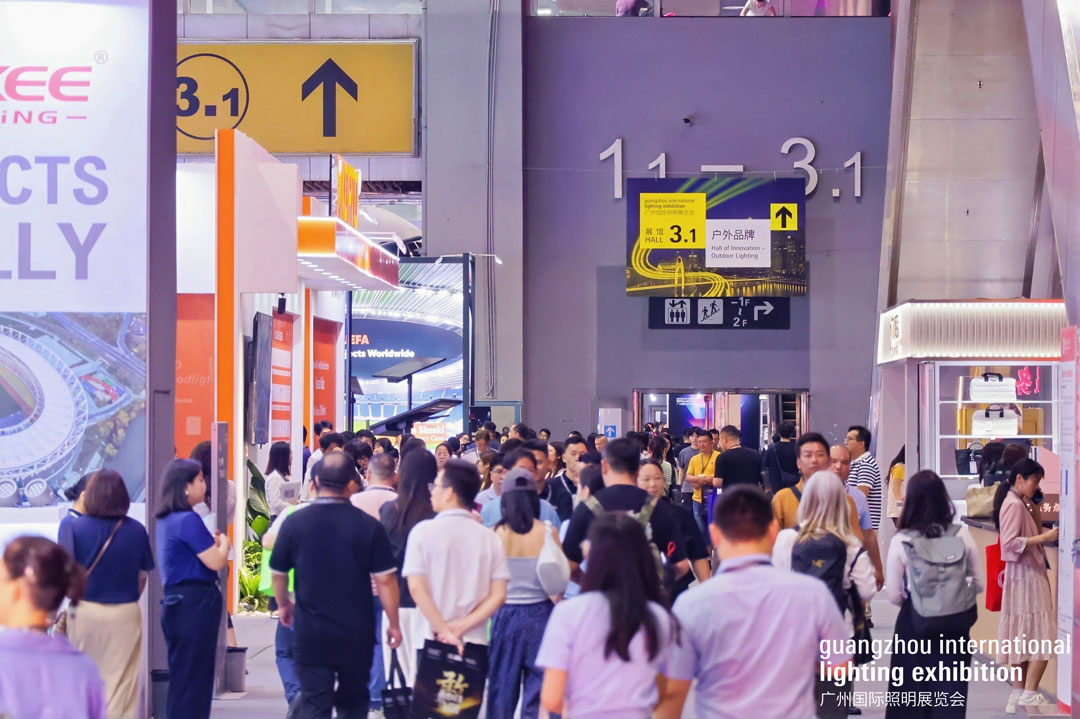
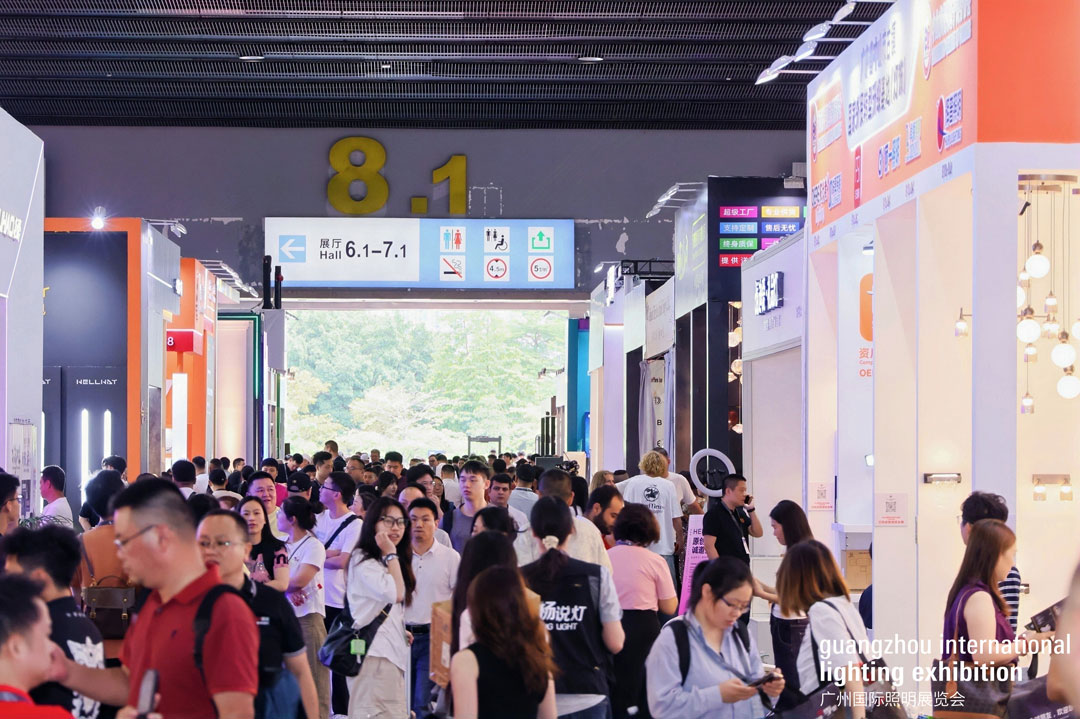
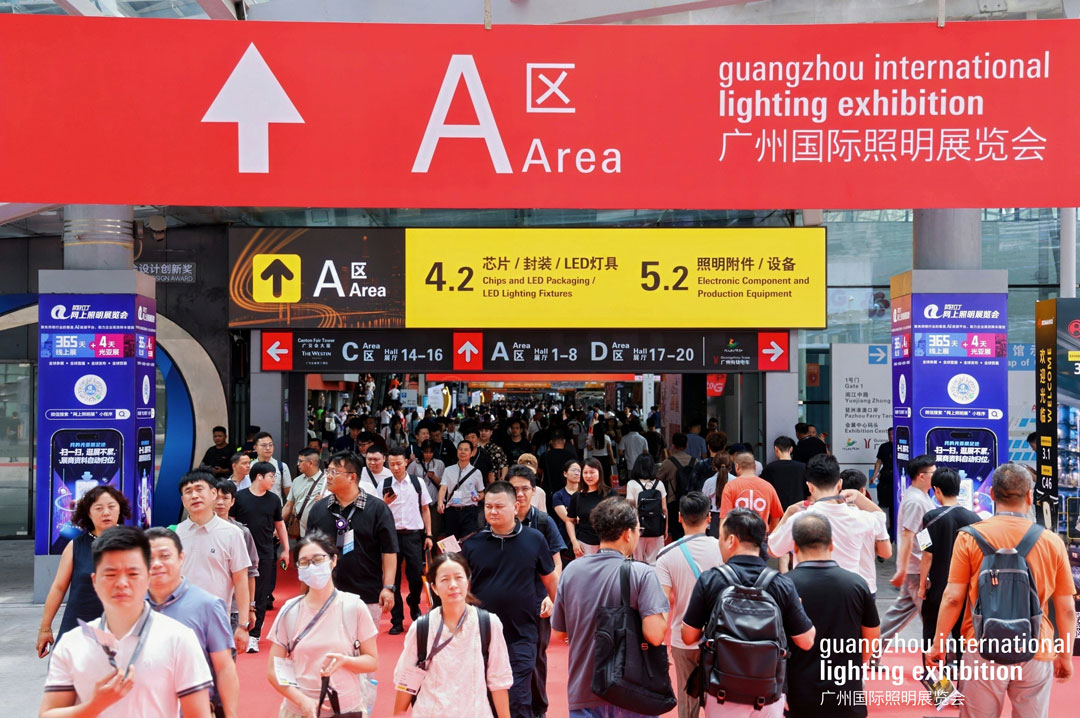
So much for the state of the lighting market to date. It was against this backdrop that the industry’s benchmark trade fair took place in the megacity of Guangzhou. That description is by no means an exaggeration, given the attendance figures: no fewer than 210,128 visitors from 164 countries and regions walked the 210,000 m² of exhibition space within the halls of the gigantic... China Import and Export Fair Complex ...discovering the new products and innovations from 2,802 exhibitors representing 18 countries. These figures, which attest to the event's growing international reach, are no coincidence. As with all its international events, Messe Frankfurt, has always prioritized the internationalization of its platforms. The organizers of GILE( acronyme de Guangzhou International Lighting Exhibition), have not escaped the rule, and have concentrated their efforts on the subject, with a very good result when we see the number of countries and regions from which visitors have come. In any case, with such a level of visitors, the show is propelling itself to the world summit of the sector, and all this is not the result of chance, we will see why.
“Light-Enhanced Living” – Trade show theme
It's clear that visiting a trade show, especially one far from home, isn't so easy. It must inspire buyers and professionals from all sectors to travel and, above all, to navigate the sheer volume of offerings. People no longer come to a platform of this scale simply to wander around. They come to exchange ideas, seek solutions, and trade in a world that has become complex, as we mentioned earlier, due to technology and the sophistication of the products. This 2026 edition of GILE, organized in parallel with the Guangzhou Electrical Building therefore had as its theme “Light- Enhanced Living”. Behind this Anglicism lay the desire to illustrate how light is now becoming a true vector of well-being, intelligence, and sustainable development. More than just a trade show, the GILE, had set itself the mission of serving as a prime vantage point for observing major shifts in the sector. The new products and innovations showcased were therefore intended to demonstrate the growing convergence of lighting, artificial intelligence, connected buildings, smart cities, and new environmental requirements.
GILE 2026
Gallery
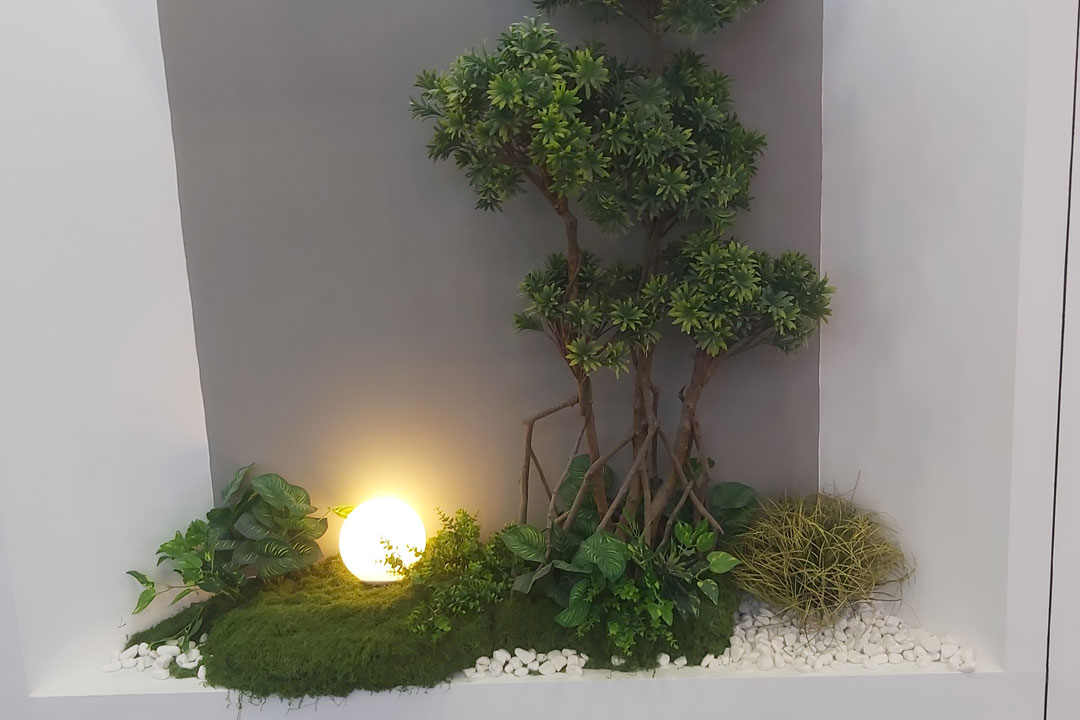
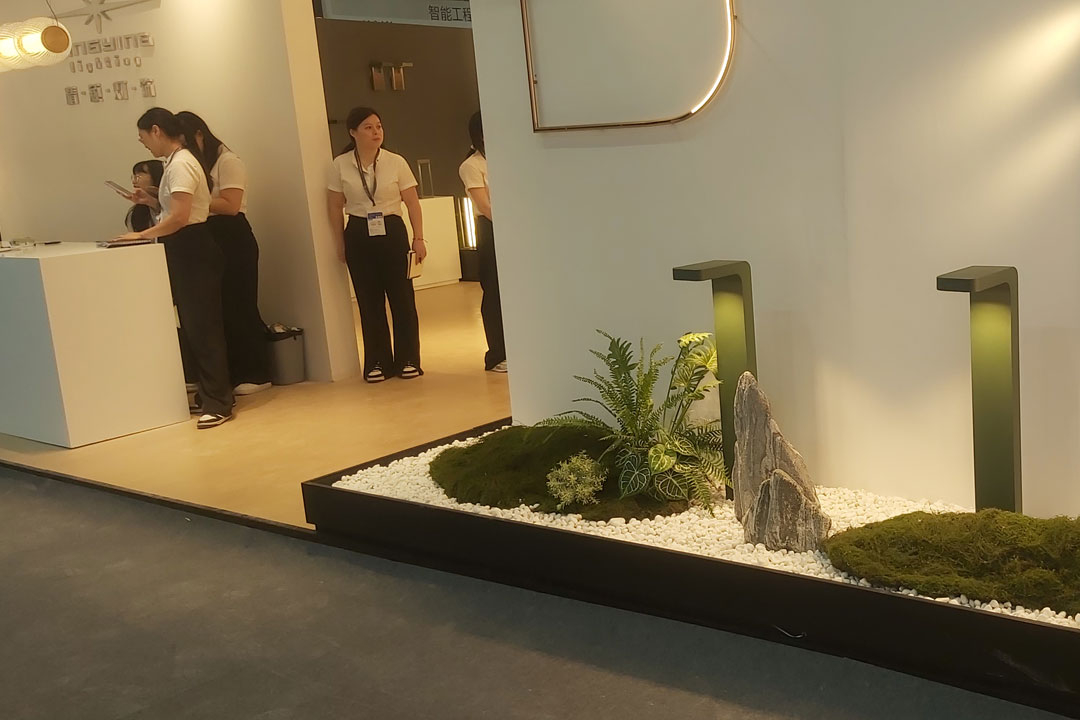
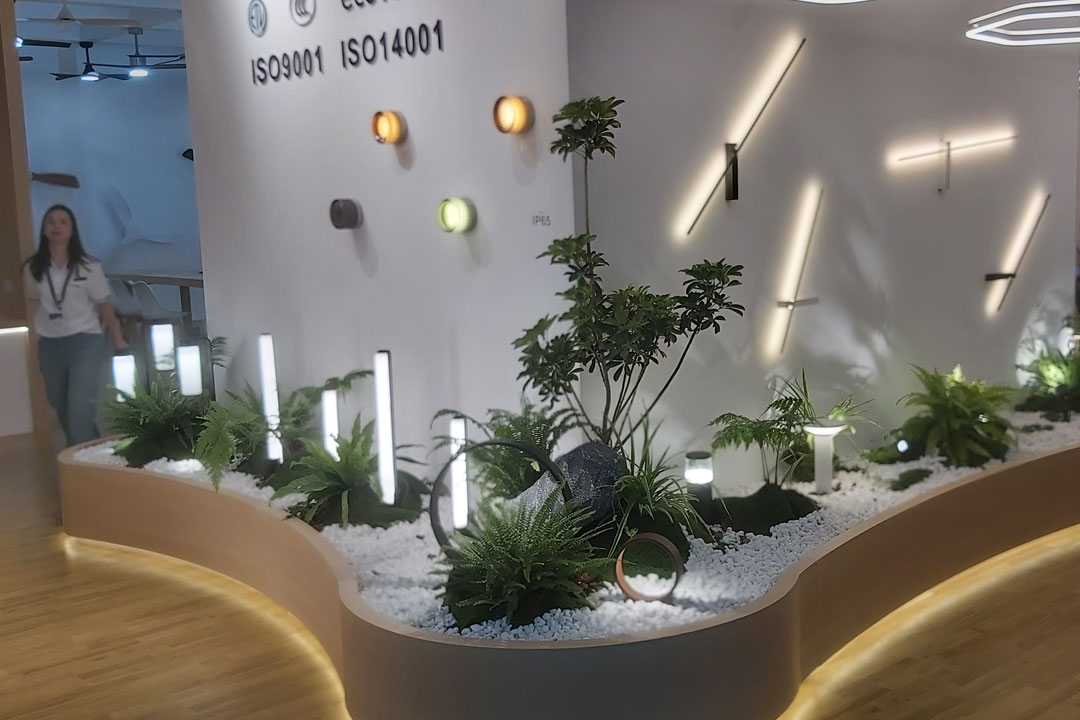
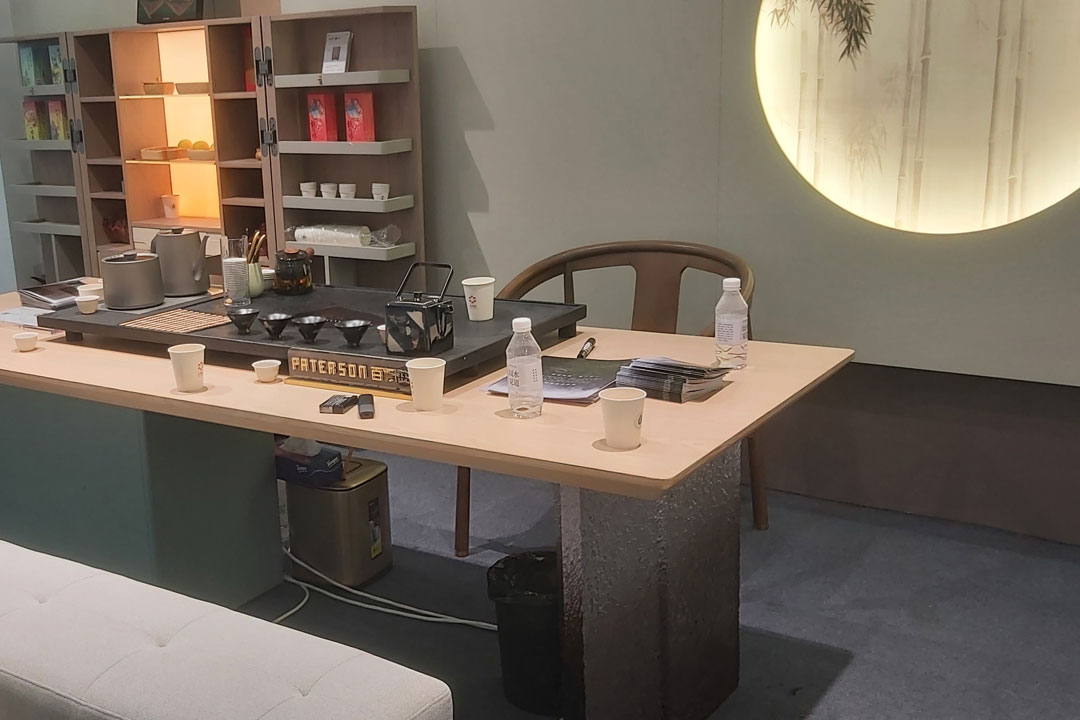
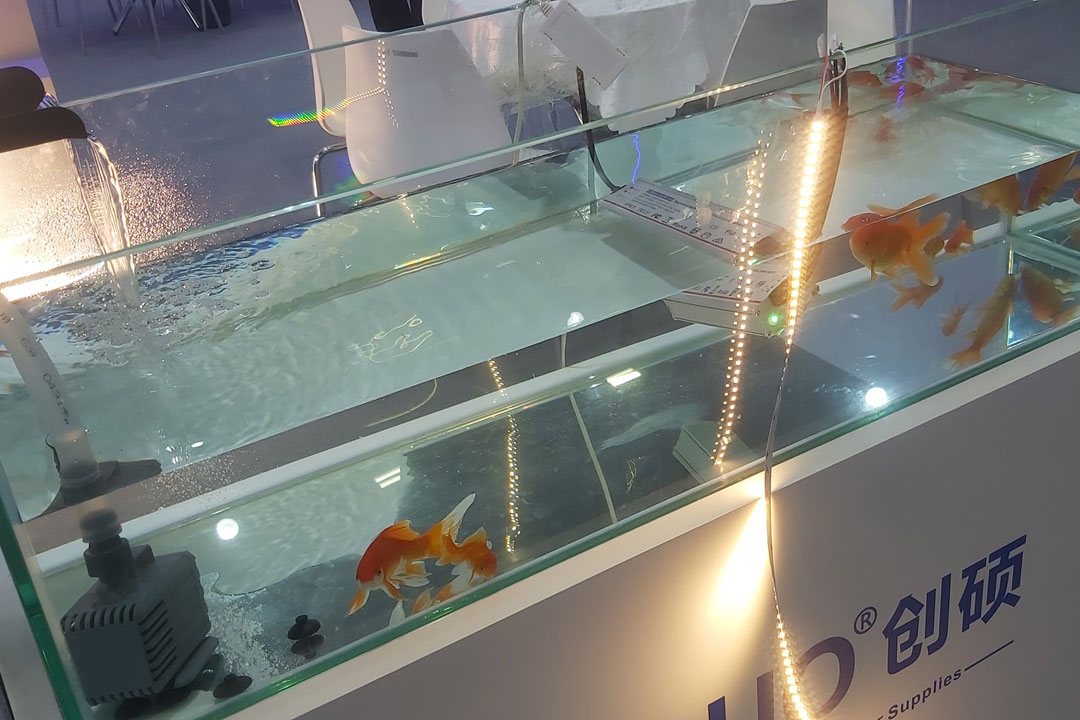
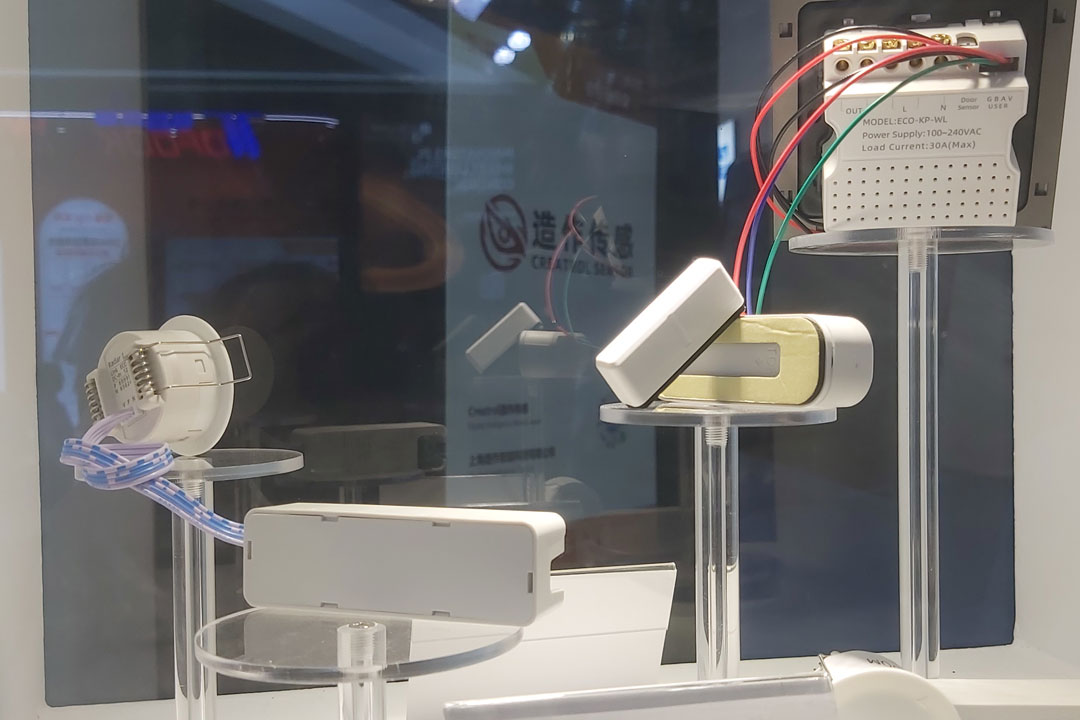
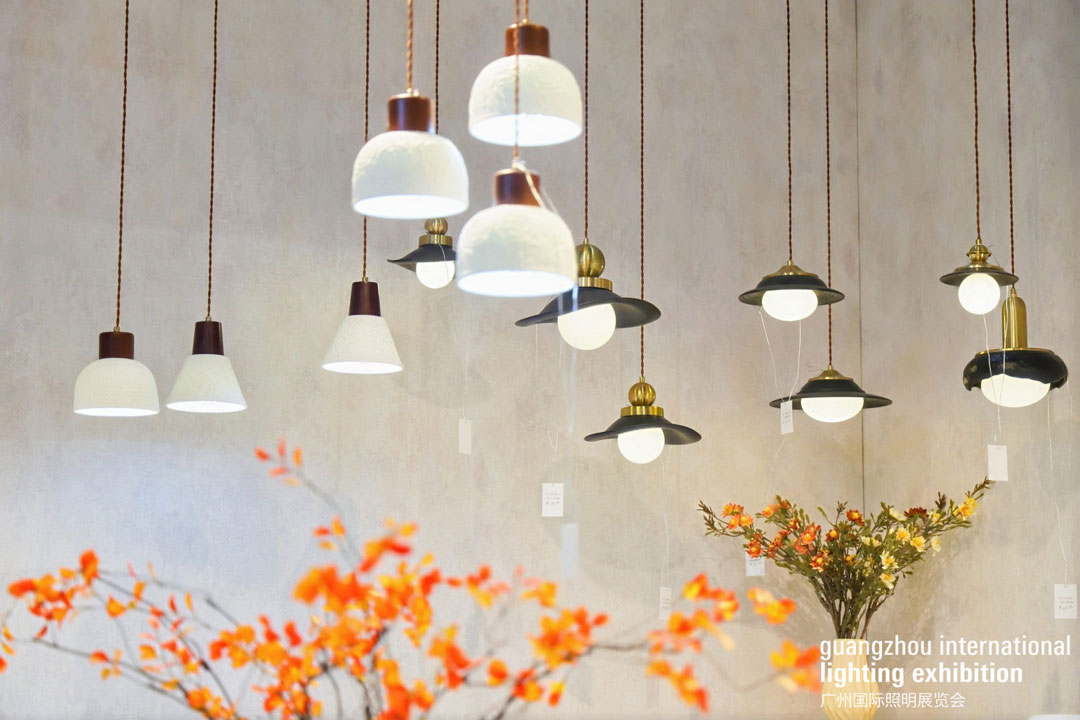
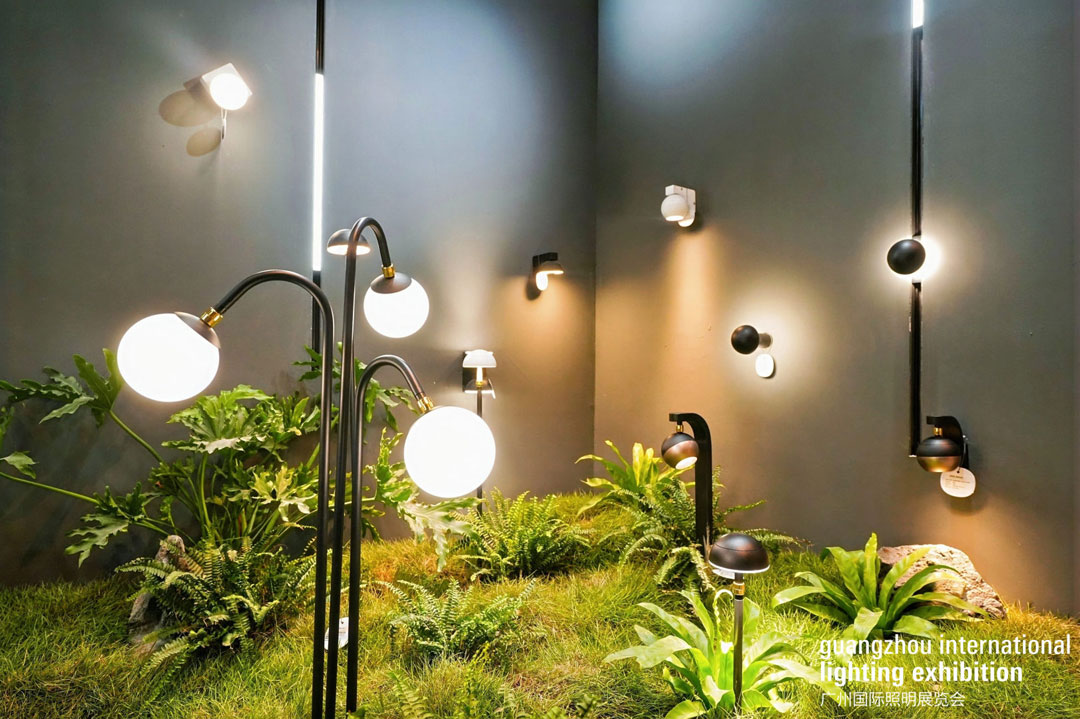
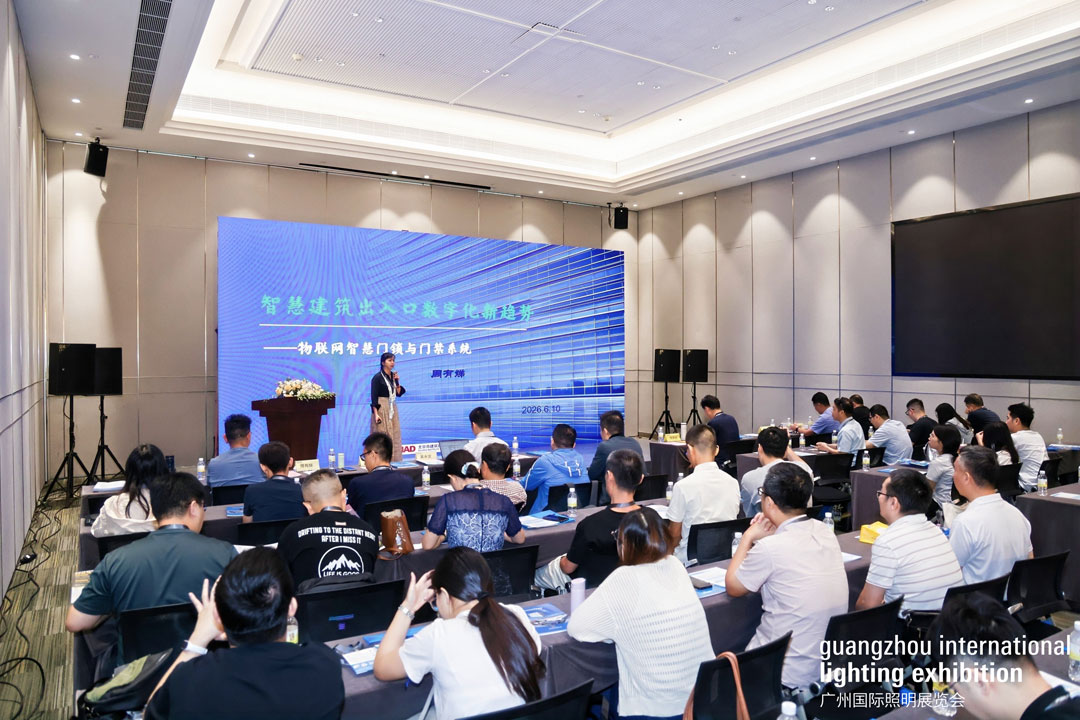
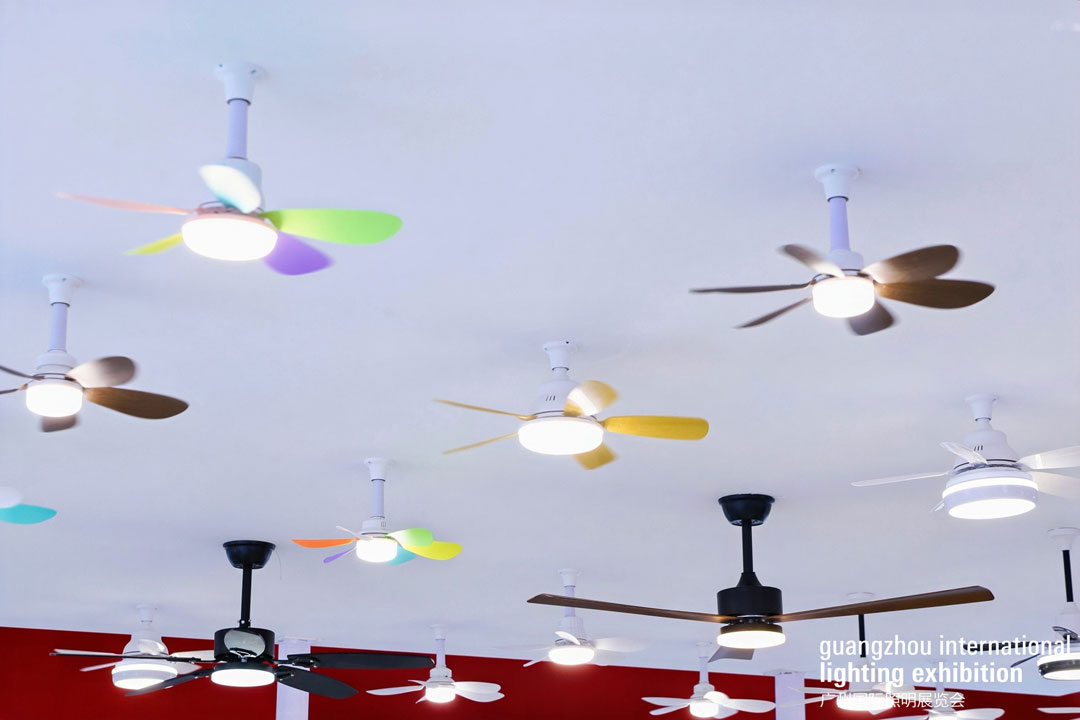
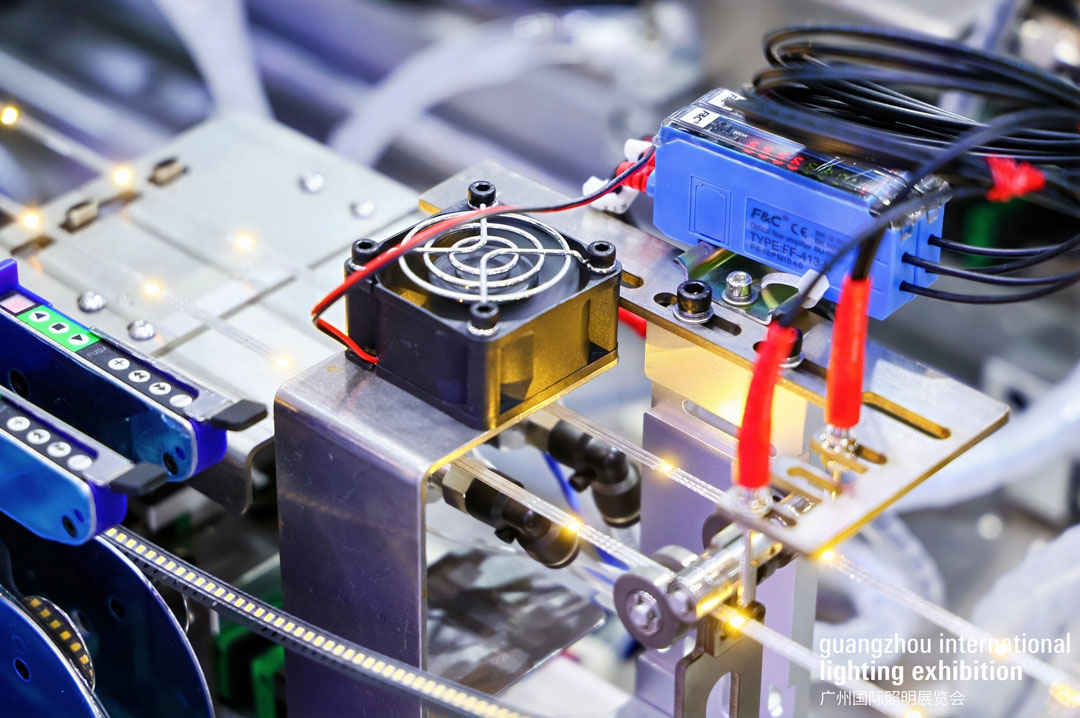
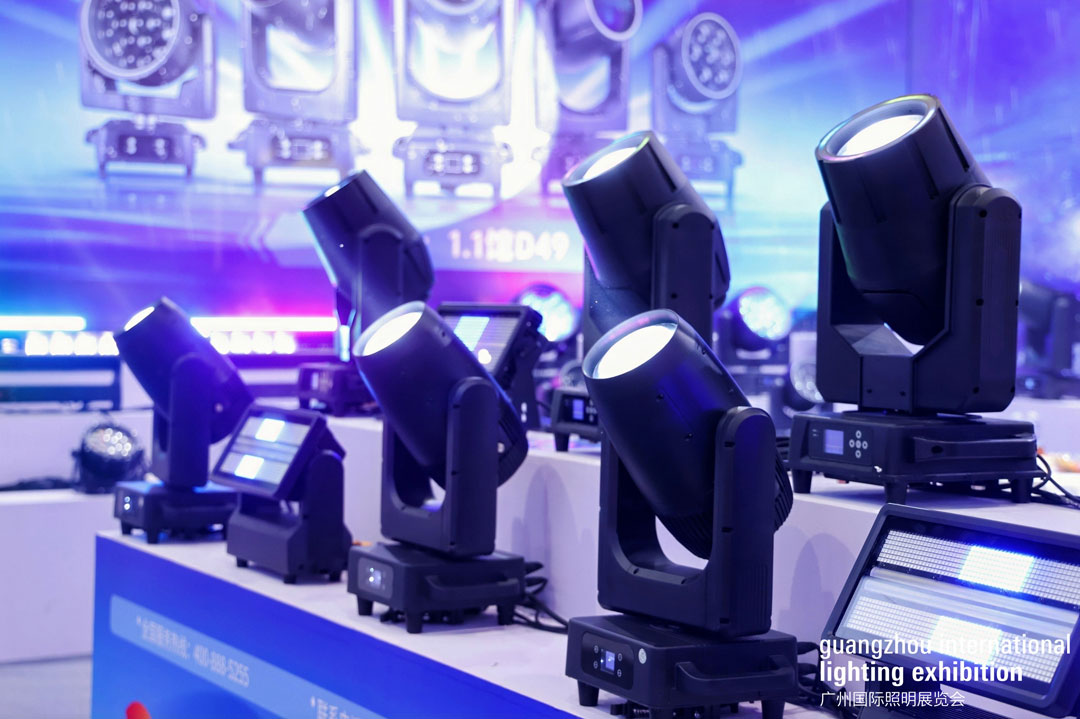
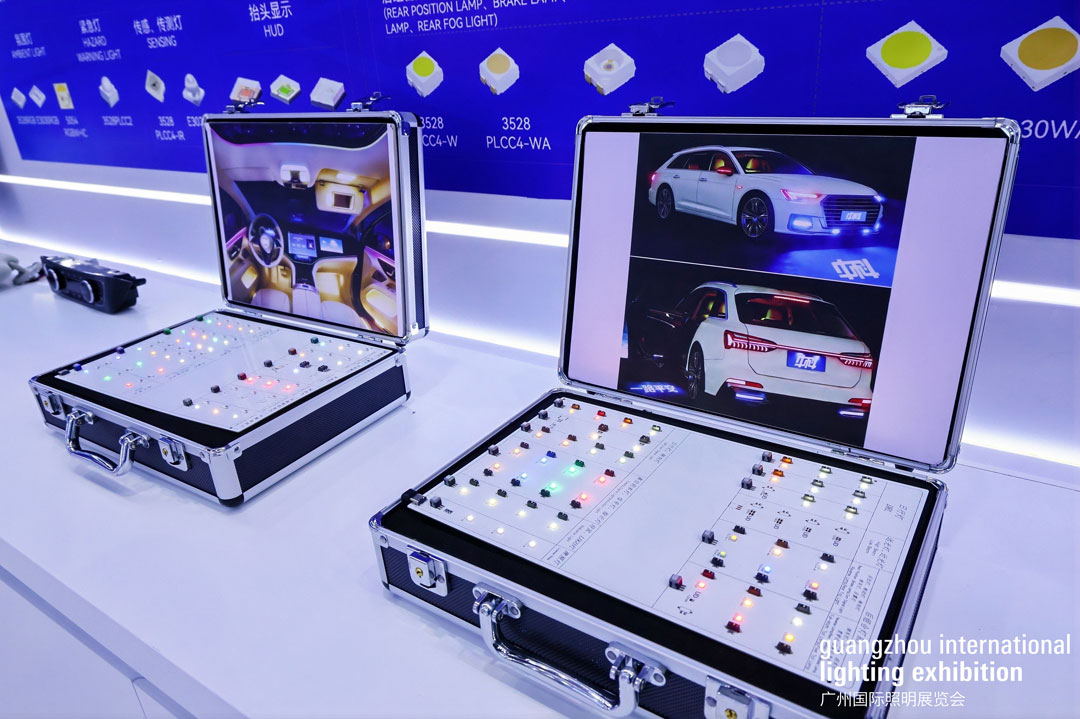
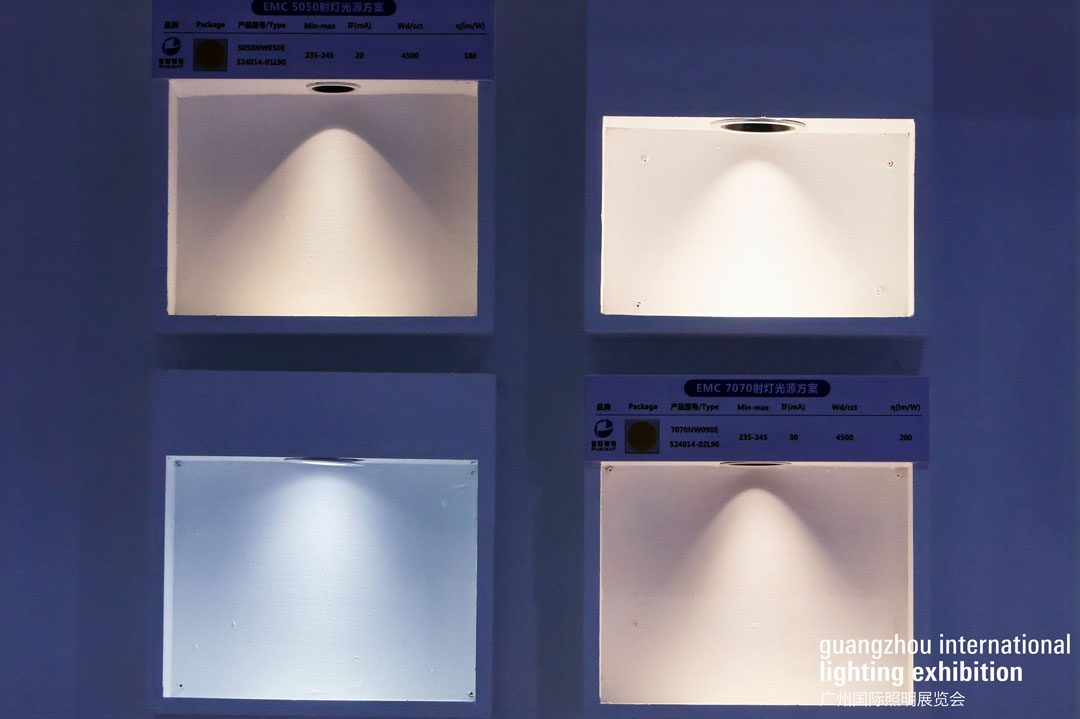
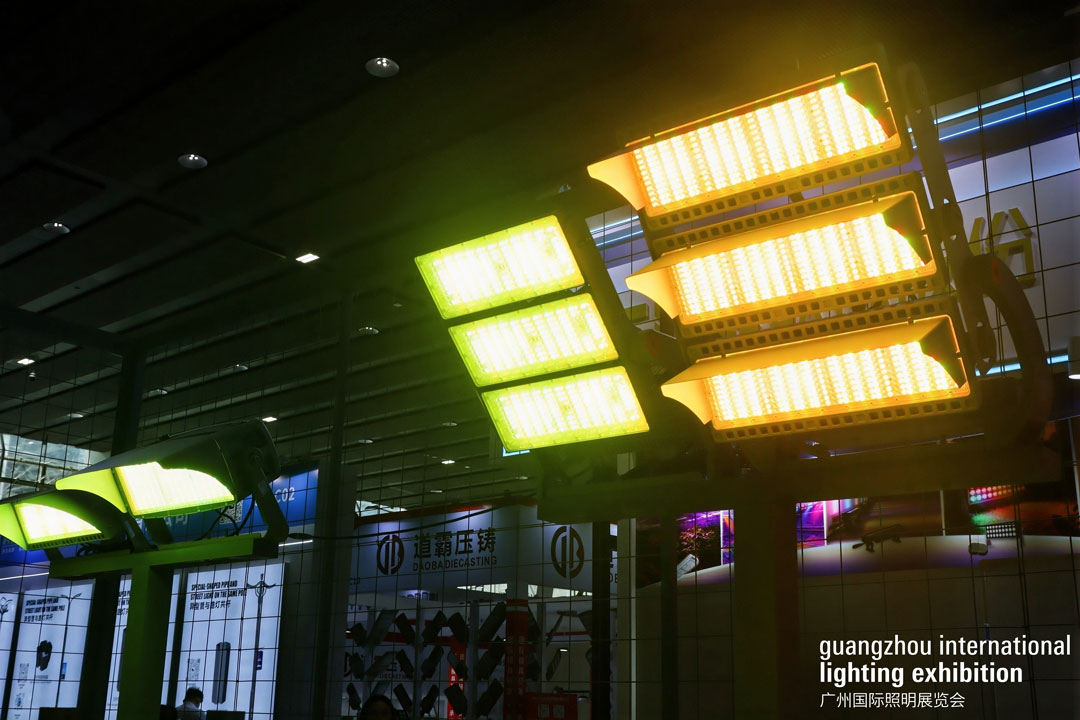
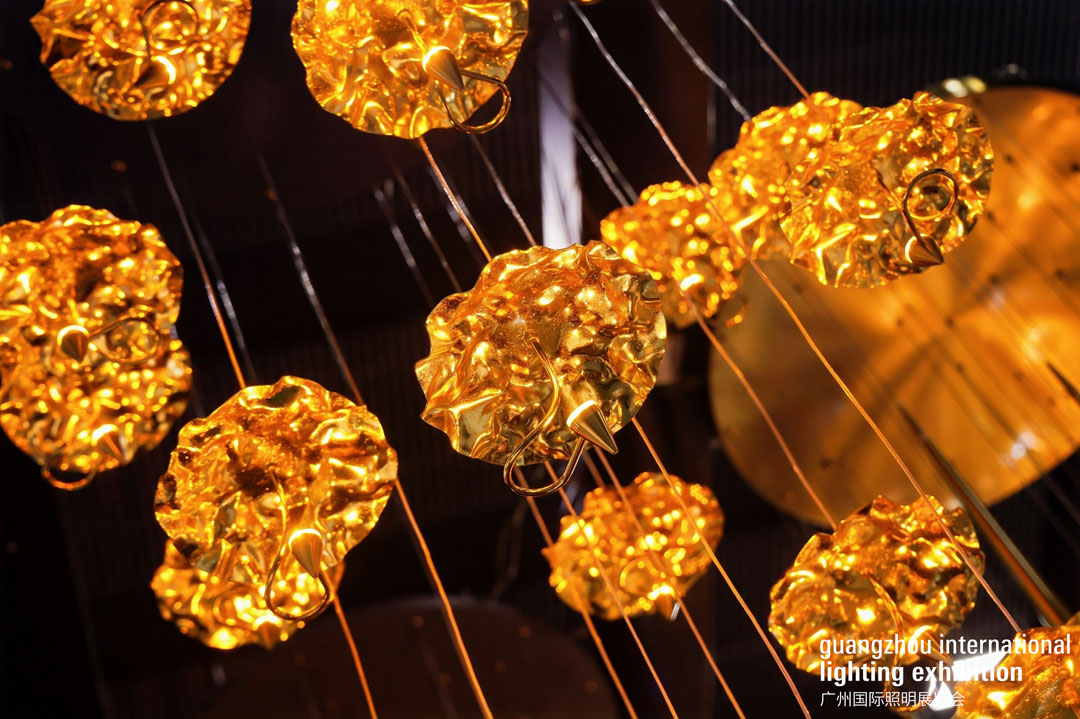
Three areas and five pillars
To this end, the presentations were structured around three major areas and five key themes: lighting solutions, luminaires, and technology. These were underpinned by five conceptual pillars—namely, human-centric lighting, emotional and immersive solutions, smart digital systems, sustainable technologies, and applications for urban and cultural spaces. This approach reflects a profound market shift, where the value of a lighting system is no longer based solely on technical performance but also on its impact on the user experience. All of this demonstrates that lighting and related products have definitively evolved from basic necessities into highly sophisticated products, driven by the advent of advanced technology; and there is every indication that this is just the beginning, given the rise of artificial intelligence—the limits of which are known only to the R&D engineers at companies operating in this dynamic, high-energy market. As previously noted in these pages, this landscape is further shaped by increasingly stringent global environmental regulations and standards. Ultimately, driven by this rapid evolution, the industry has far surpassed its original functions, transforming every aspect of our daily lives—from the lighting in our homes and living spaces to becoming an essential decorative element and, now, a driver of well-being. It is therefore through the lens of "solutions" that we must approach this fascinating world. Participating companies also highlighted the high quality of business interactions. Several manufacturers reported a significant increase in qualified meetings with international buyers, particularly from Europe, Japan, and South Korea. For many exhibitors, GILE remains a strategic platform for launching new technologies and accelerating their export development. Alongside the exhibition, over a hundred conferences and forums brought together architects, lighting designers, researchers, and industry professionals to discuss topics such as smart lighting, visual health, architectural design, and future international standards. These gatherings illustrate the industry's commitment to expanding the role of light far beyond its traditional function.
The 2026 edition thus confirms that the global lighting market is entering a new phase, where technological innovation, quality of life, and the ecological transition are becoming inseparable. Against this backdrop, Guangzhou is reinforcing its position as a key international hub where the trends shaping the industry of tomorrow take shape. Lighting is no longer confined to a purely utilitarian function; instead, it is becoming a driver of well-being, experience, and energy efficiency. Industry professionals will discover all this from June 9 to 12, 2027, at the next edition of the GILE.