
Universe of the house – Garden Center – DIY – Tools – Decoration – Furniture – Appliances – Multimedia
In recent decades, our perception of lighting has changed completely. Its role has shifted from a simple means of illuminating a dark space to an active component of our daily lives. Today, lighting design is no longer limited to vision; it also takes into account our mood, sleep, and overall well-being, paving the way for a new era of human-centric lighting.
Table of Contents
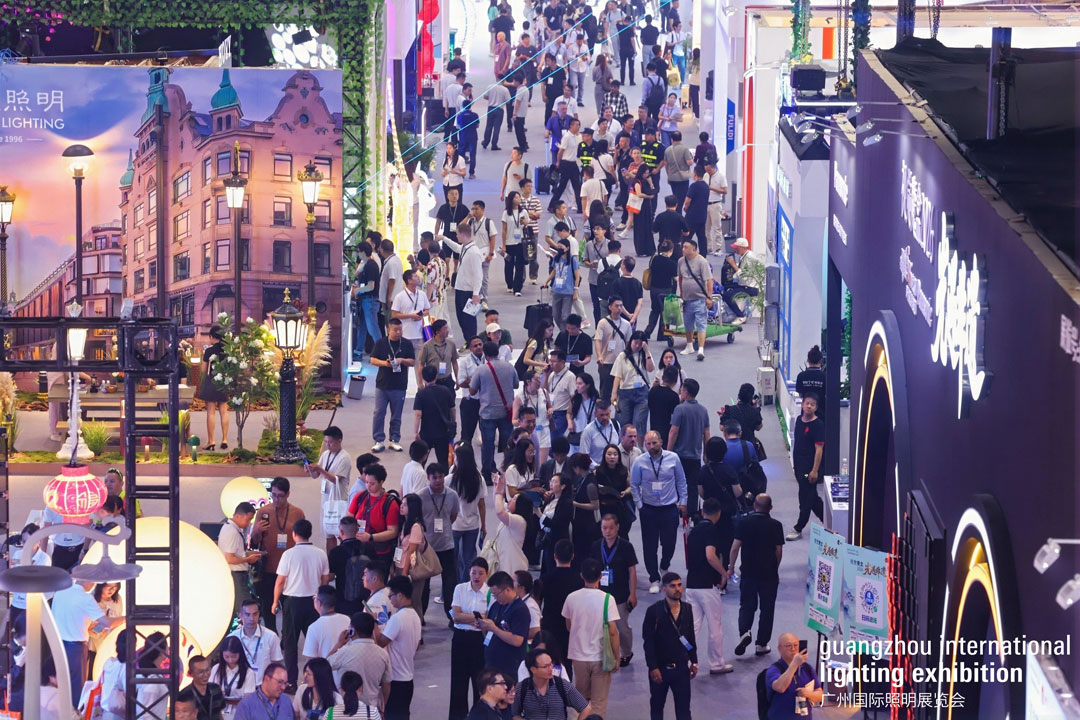
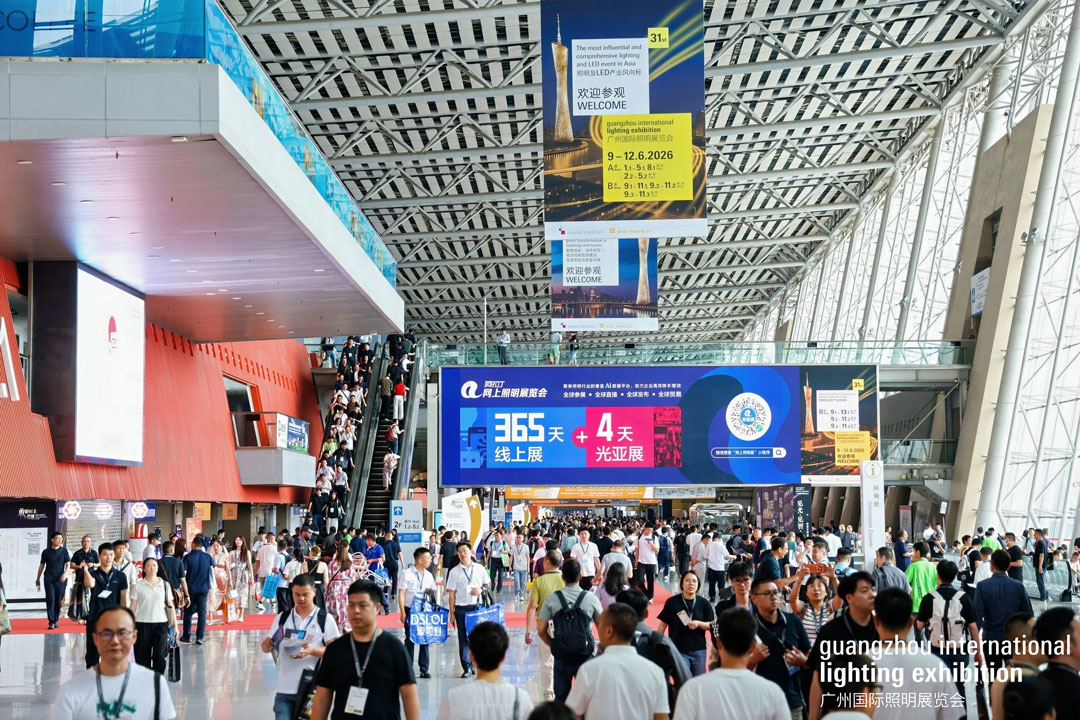
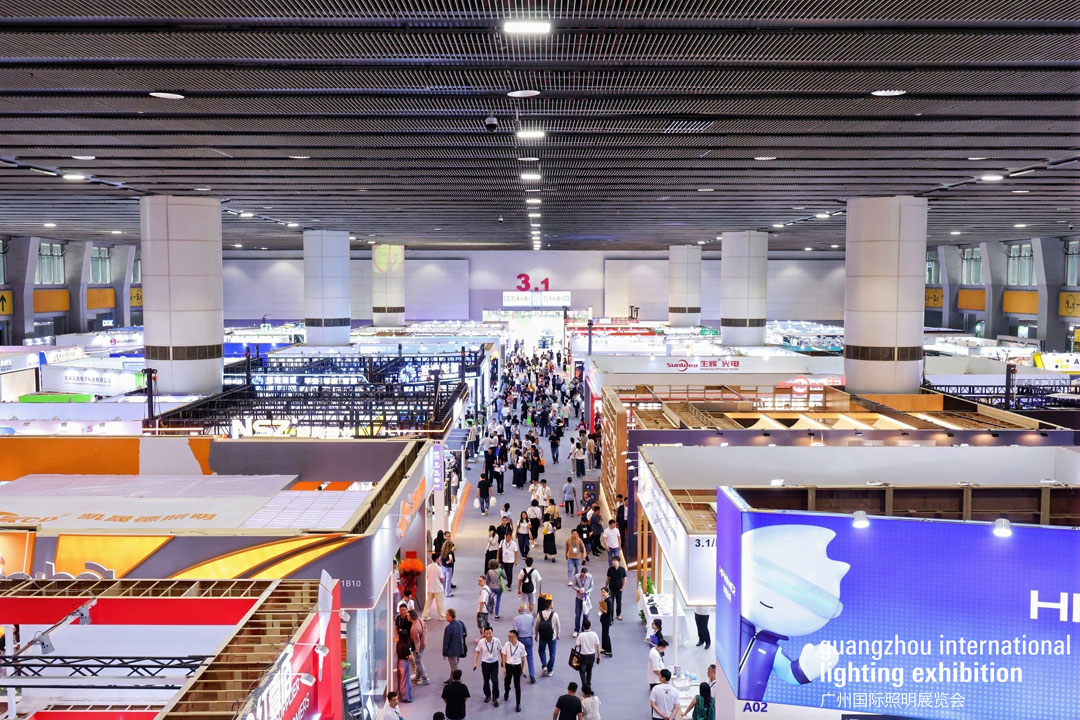
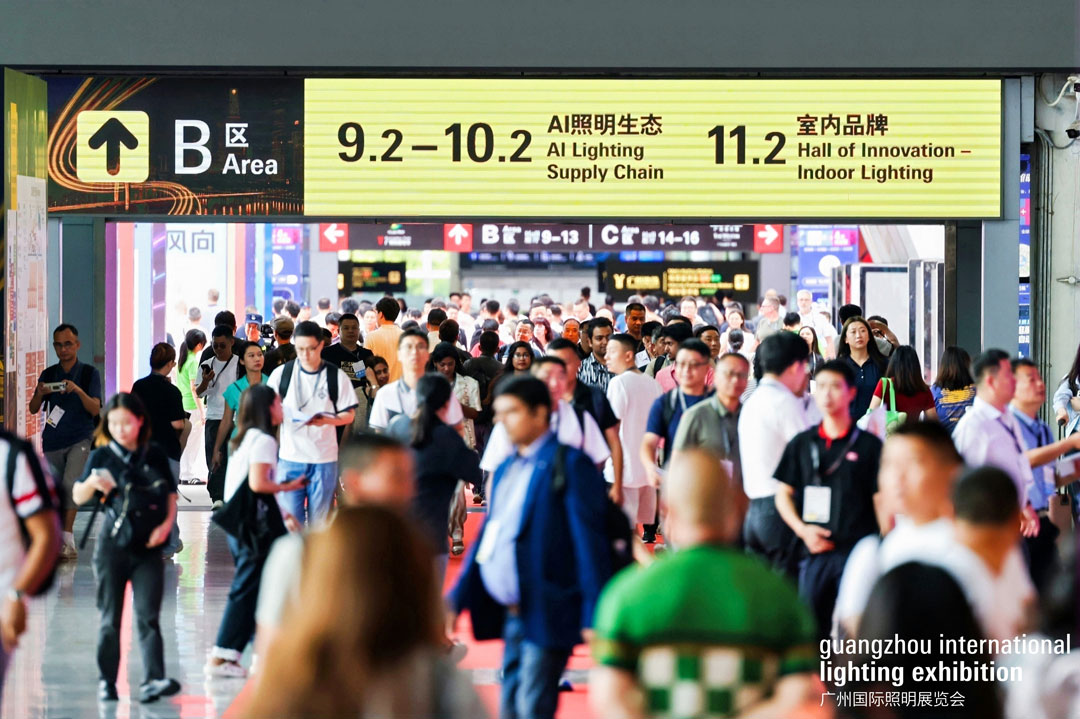
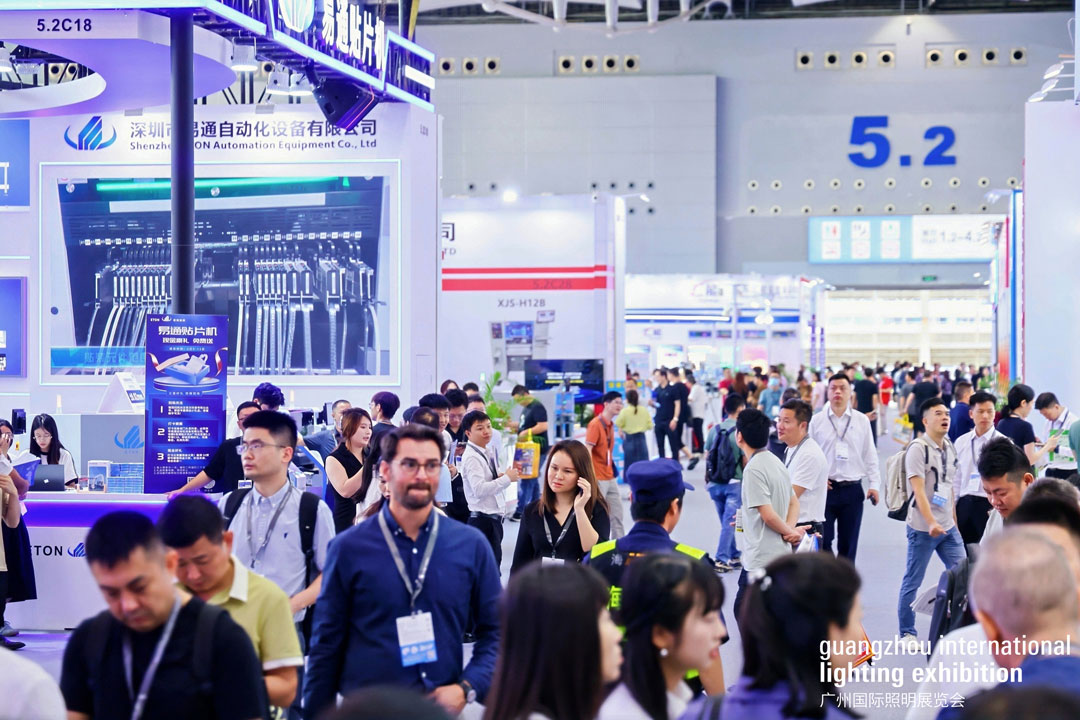
ToggleThe Guangzhou International Lighting Exhibition (GILE) remains at the forefront of this evolution: its 31st edition centers on the theme “Light-Enhanced Living”. This year, the trade show has introduced a new feature with the program. deLIGHTed Asia, conducted in collaboration with Good Light Group Asia, which aims to realize the concept of “good light” by combining data-driven research and industry standards with the infrastructure used in the development of lighting systems.
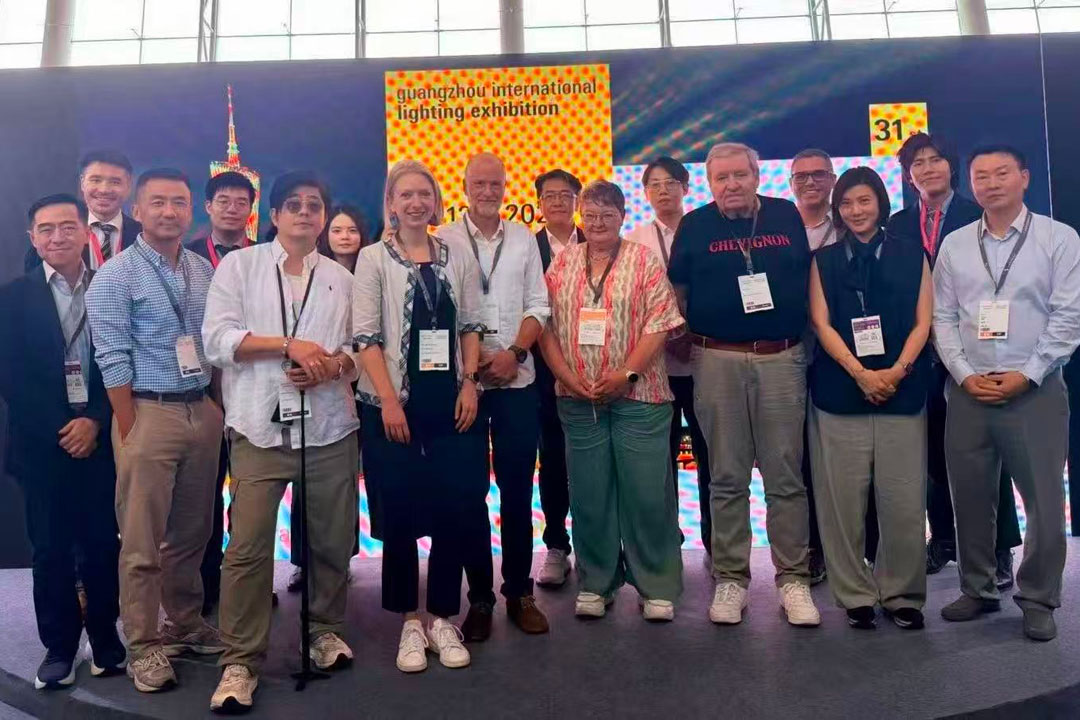
Placed under the sign of “Good Light Wake-Up Call”, The event brought together international participants to explore how the sector can move beyond conventional lighting design to better integrate human-centric standards and measurable metrics, such as the CIE S 026 standard. The panel deLIGHTed Talk Asia was held on June 9, 2026, bringing together leaders, scientists, and designers from around the world.
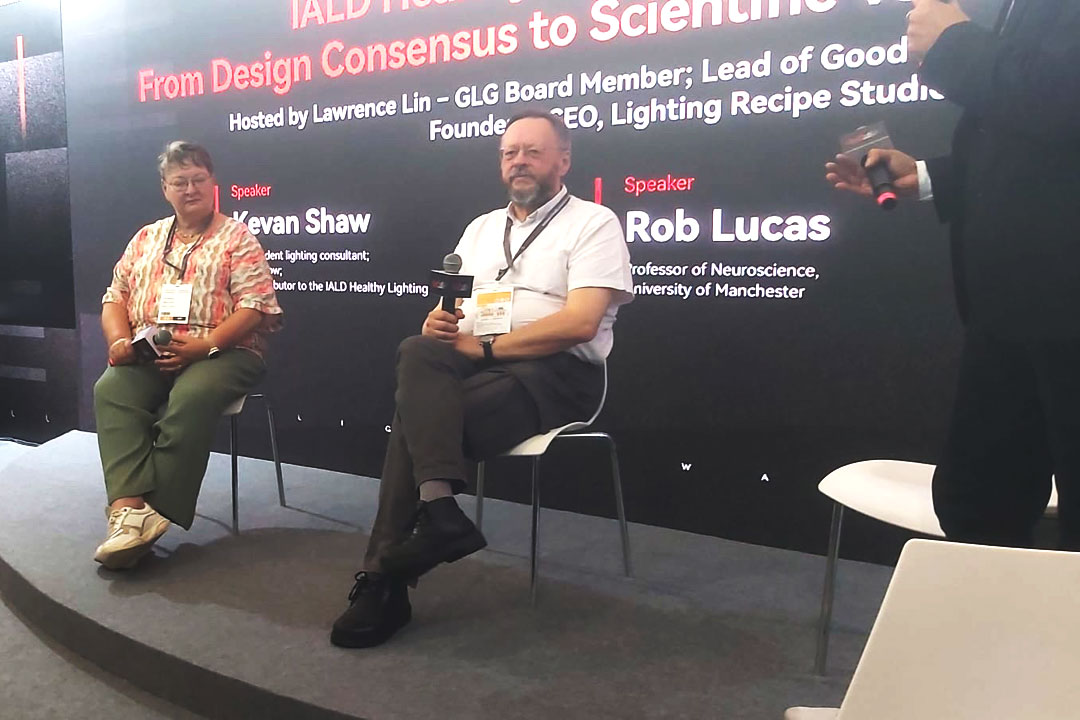
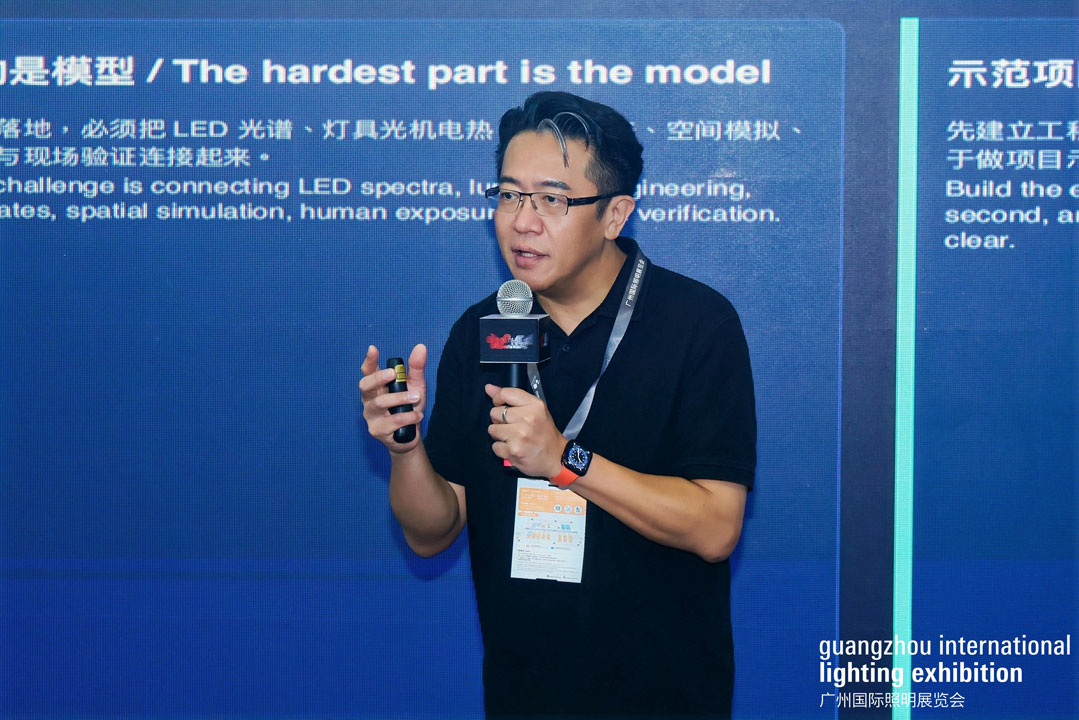
Hosted by Lawrence Lin, president of Good Light Group Asia (GLGA) and founder and CEO of Lighting Recipe Studio, The first part of the program brought together Kevan Shaw, from the International Association of Lighting Designers; Rob Lucas, Professor of Neuroscience at the University of Manchester; and chronobiology researcher Marijke Gordijn.
Mr. Shaw highlighted that lighting is often overlooked or misunderstood compared to other aspects of building design, resulting in a lack of health standards for the sector. He suggested the creation of labeling systems that go beyond simple illuminance indicators, similar to nutritional labels on food products.
D’un point de vue physiologique, l’essor de l’urbanisation entraîne des perturbations systématiques de l’organisme, l’éclairage artificiel supplantant la lumière naturelle. Lorsque l’éclairage intérieur est conçu pour correspondre à notre biologie, les résultats sont sans appel : sommeil amélioré et vigilance accrue durant la journée.
Dr. Gordijn emphasized the urgent need for education—among both consumers and manufacturers—to ensure that future smart systems deliver the right type of light at the right time of day.
While AI continues to drive growth across many sectors, it is not the primary driver of health-focused lighting; innovation in this field is largely fueled by consumer demand for personalization.
“If smart home systems end up inadvertently encouraging bad habits, it runs counter to the very goal of “wellness” lighting.”
— Rob Lucas, University of Manchester
Anne Berends, Managing Director of SunLED, ...and Oliver Stefani, a senior research scientist, steered the discussion toward the practical applications of preventive lighting—specifically, how near-infrared light promotes rest, circadian alignment, and well-being. The industry is shifting toward broader spectra that include these wavelengths, transforming lighting into a tool for long-term health.
In Asia, children's eye health is a growing concern, due to long hours of indoor study and insufficient exposure to daylight. Several exhibitors at the GILE ...have thus presented scientifically validated eye-protection solutions. These benefits also extend to healthcare settings: Dr. Stefani highlights that human-centric lighting contributes to more soothing environments.
Driven by the global wellness movement, consumers are investing more in health-focused products—provided the public is better informed about their benefits. Dr. Berends praised the ability of GILE ...to invite brands with robust certifications, while Dr. Gordijn highlighted the speed at which several Chinese companies are already incorporating these scientific advances.
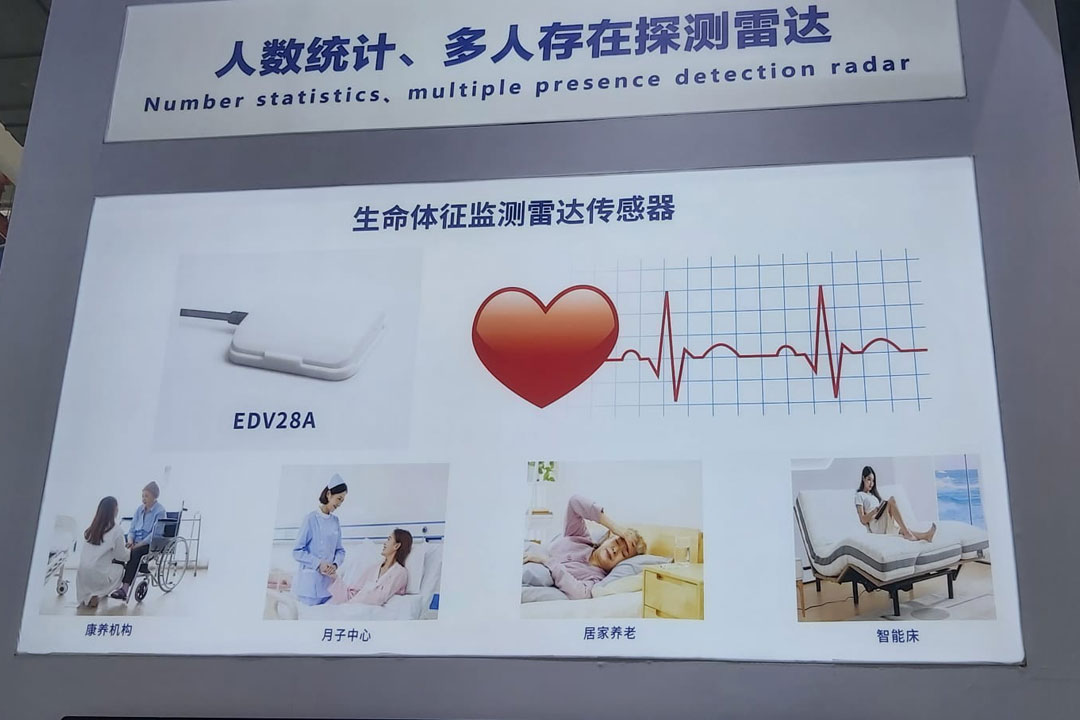
Following the panel discussion, Mr. Lin invited the audience to explore the technologies showcased at the exhibition. By placing science at the heart of the discussions, the GILE and Good Light Group Asia demonstrate how international research, design expertise, and industrial collaboration can come together to set a new benchmark for the global lighting community.